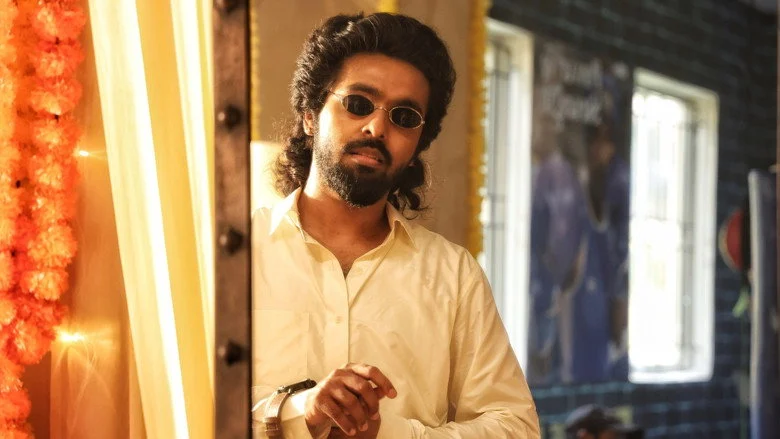
Happy Raj (2026): George Maryan’s Dignity Anchors Uneven Romantic Comedy


Kathamuthu, ridiculed across his village as “Kuthira Muttai” for his unfortunate appearance, watches his son Happy flee to Bangalore seeking escape from inherited shame. When Happy returns with Kavya, an urban woman who reciprocates his feelings, the collision between his humble, mocked father and her corporate NRI father becomes the film’s reluctant engine, a premise that promises friction but struggles to sustain it evenly across two hours and thirty-eight minutes.
Maria Raja Elanchezian’s directorial debut oscillates between genuine family drama and strained romantic comedy, never quite committing fully to either register. The opening fifteen minutes betray a fundamental lack of confidence in the audience, explaining Kathamuthu’s backstory through flat narration rather than showing it.
George Maryan’s Quiet Authority Resists the Script’s Cruelty
George Maryan delivers a performance of such quiet dignity that it exposes the film’s meanness. His Kathamuthu endures relentless body shaming, the running gag revisited obsessively, yet Maryan grounds the character with genuine pathos and quiet strength. This is not a man played for laughs; it’s a man made to absorb them, and the actor refuses to let the script reduce him to a punchline.
His scenes with Abbas, who returns to Tamil cinema as Rajiv, crackle with an authenticity the broader comedy surrounding them cannot match. When Kathamuthu stands against this NRI father, Maryan’s stillness suggests depths the screenplay never explores.
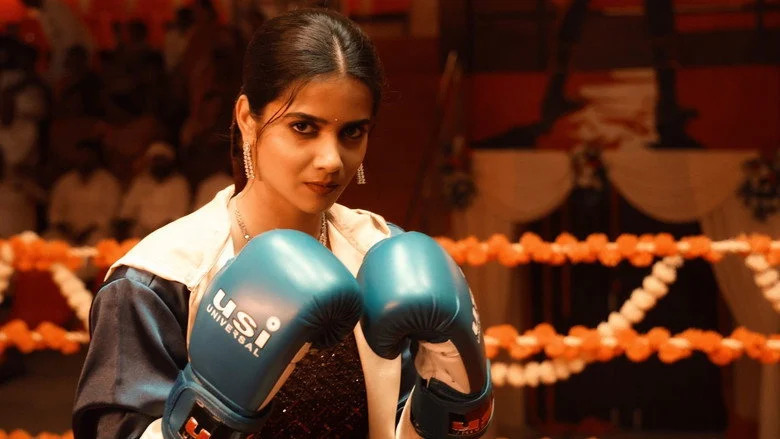
Elanchezian’s Uneven Pacing Abandons Act One Too Hastily
The director’s strengths emerge in the second half, where genuine fun moments and compelling comedic sequences finally arrive. Family interactions at Rajiv’s marriage anniversary party announcement generate authentic chaos and heartfelt beats. Yet this recovery cannot erase the first act’s sluggish, over-explanatory opening that insults viewer comprehension with its narrated exposition.
The screenplay’s linear structure leaves no room for surprises. Every plot beat lands where expected, and the culture clash, while serviceable as the film’s comedic spine, feels mechanically deployed rather than discovered through character interaction.
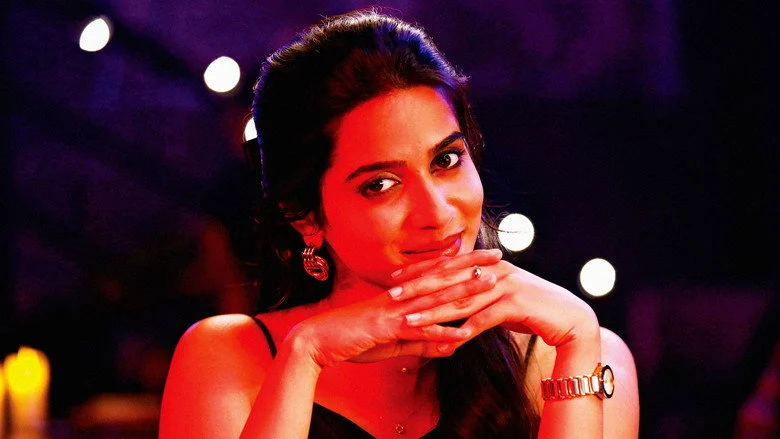
The Romance Operates as Plot Function Rather Than Emotional Center
Kavya’s insistence that families must meet before marriage creates the central obstacle, yet the screenplay never deepens her as a character beyond this catalyst function. Sri Gouri Priya reciprocates Happy’s feelings with appropriate chemistry, but the emotional turning point, accepting his proposal, occurs offscreen, robbing the romance of earned momentum.
The hilarious situations arising from family meetings generate laughs, but these moments serve comedy first and character development second. When the anniversary party announcement escalates tensions into genuine conflict, the film finds traction it squanders by defaulting to chaos rather than exploring what these two families actually want from each other.
Body shaming operates as the film’s recurring comedic device, yet each revisit of the “Kuthira Muttai” gag becomes progressively meaner-spirited. What might work once as circumstantial humor curdles into malice when hammered repeatedly, and the screenplay never interrogates whether mocking a man’s appearance, even in service of ultimately sympathetic portrayal, constitutes acceptable comedy in 2026.
G.V. Prakash Kumar Inhabits the Middle Ground Competently
G.V. Prakash Kumar plays the happy-go-lucky youngster caught between worlds with professional competence. His happy-to-sad transitions when facing village rejections register clearly, and his scenes impressing Kavya’s father with app developer skills establish him as upwardly mobile without arrogance. He remains serviceable rather than revelatory, anchored by more interesting supporting characters.
Abbas impresses as the urban father colliding with tradition, bringing weight to what could have been a one-dimensional NRI stereotype. His chemistry with Maryan generates the film’s most electric moments, even if their scenes remain too brief to fully explore what genuine culture clash might mean.
The Film’s Cruelty Undermines Its Family Drama Ambitions
Critics rightfully identified the film as stronger drama than romantic comedy, yet even this assessment requires qualification. Times of India rated it 3.0 out of 5, praising the second half’s genuine fun while faulting the sluggish setup. Gulte’s harsher 2.25 out of 5 assessment cited the oscillation between could-have-beens as symptomatic of a film unsure of its own identity.
The body shaming element, presented as explanation for Kathamuthu’s social exile, risks becoming the film’s defining cruelty rather than its thematic anchor. Family audiences seeking drama might find the second half rewarding, yet they’ll endure an unnecessarily harsh first act to get there. The film wants to celebrate familial bonds transcending appearance, yet it spends half its runtime deriding that same appearance as inherently ridiculous.
Tamil romantic comedies exploring family dynamics offer rich terrain, and Elanchezian’s instinct toward drama over lightweight rom-com suggests artistic intent. What undermines execution is the disconnect between what the script intends (dignity for Kathamuthu) and what it delivers (endless ridicule). Maryan’s performance cannot wholly bridge this gap, though his refusal to capitulate to meanness comes closest.
Watch this for George Maryan’s understated performance and the second half’s improved comedic execution, but approach the first act’s narration-heavy exposition and mean-spirited gags as necessary obstacles rather than engaging cinema. The film works best as family viewing where patience through the setup pays dividends in genuine emotion later.
Tamil romantic comedies with family drama depth deserve attention, particularly when exploring generational and cultural collisions, and you’ll find similar thematic territory in Oru Durooha review.
Happy Raj reaches for something meaningful about family acceptance but settles for easier laughs at expense of its protagonist’s father, a choice that, despite Maryan’s dignified performance, undermines the film’s own emotional argument and leaves it at 2.5 out of 5 stars for me.
George Maryan’s similar restraint and depth under uneven material appears in G O verdict.
Ankit Jaiswal is the Chief Author, covering Indian cinema and OTT releases with honest, no-filler criticism. An SEO strategist by background, he brings a research-driven approach to film writing, cutting through hype to tell you exactly what's worth your time.