Chand Mera Dil (2026): Ananya Panday’s Restrained Ambition Outpaces Romance


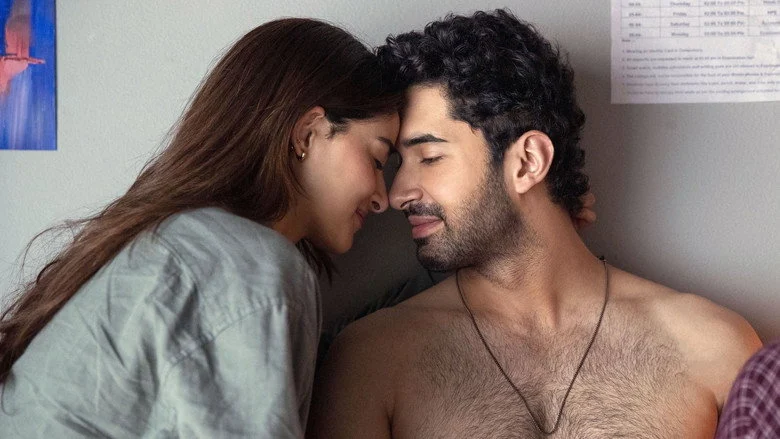
Aarav and Chandni’s first meeting unfolds across a college campus, two engineering students drawn together by immediate chemistry and shared time away from the structured world waiting for them. Within minutes, the film makes clear what it wants to explore: not the fairy tale of love’s beginning, but the fracture that arrives when adulthood demands choices neither of them anticipated.
Vivek Soni’s Chand Mera Dil is a film about the moment romance stops being enough, and whether it should be. This is either precisely your film or not your film at all.
Ananya Panday’s Emotional Distance as the Film’s Structural Spine
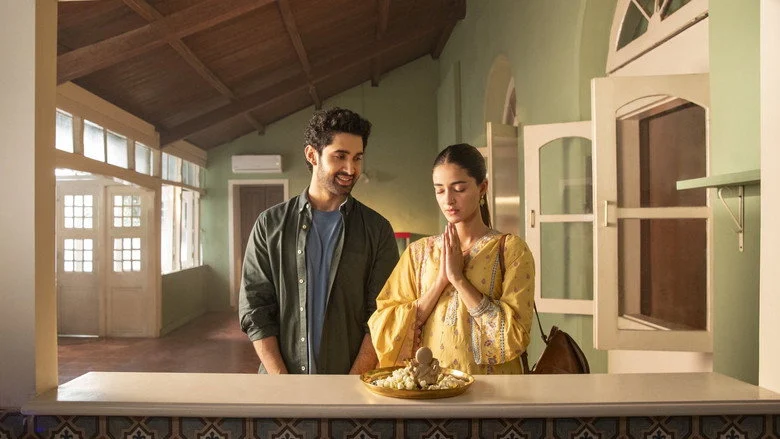
Ananya Panday plays Chandni, the partner whose ambition becomes the architecture of the story’s conflict. Rather than performing heartbreak as an explosive event, she moves through the relationship’s unraveling as a steady withdrawal, the kind that stings more than a melodramatic collapse because it feels credible.
The character demands she anchor the film’s thesis: that love and self-growth are not always compatible timelines. Panday delivers this through restraint rather than declaration, which is the precise performance register this material requires.
Lakshya Lalwani Grounds the Emotional Opposite
Lakshya Lalwani anchors the counterpoint, the partner willing to let the relationship flex and shift with their individual needs. His casting signals a deliberate choice: not to play the wounded romantic, but the pragmatist watching someone he loves choose themselves first.
The tension between these two registers, her strategic distance, his emotional immediacy, carries the film’s emotional weight entirely on performance. Without their chemistry, this premise collapses into familiar melodrama.
Restrained Climax as Genre Refusal
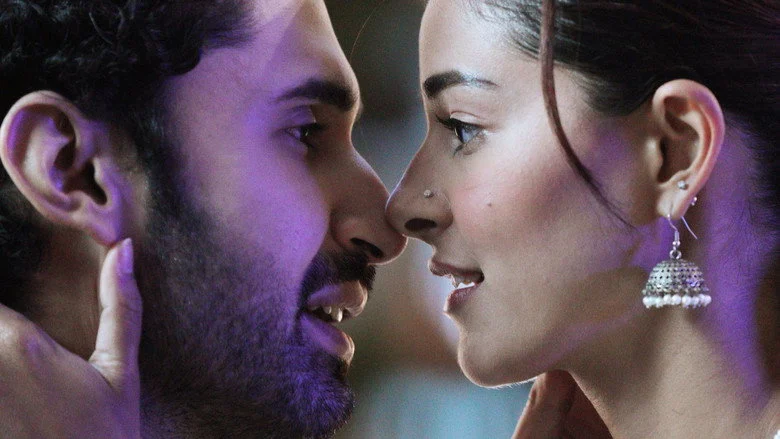
The emotional climax eschews conventional resolution entirely. Rather than reunion or explosive confrontation, the film opts for a conversation that acknowledges changed understanding, love as something that transforms rather than persists, which is a risk most romantic dramas will not take.
This structural choice requires the leads to perform absence rather than presence. Panday and Lalwani do not reconcile; they accept. The scene works precisely because neither performer reaches for melodrama.
The middle section, however, shows the cost of this restraint. The film lingers in repeated misunderstandings and relational friction long enough that pacing becomes a vulnerability rather than an asset. What reads as emotional honesty in the climax can feel like wheel-spinning in act two.
Hindi romance drama continues to yield films of modest scope and ambitious performance work. Hindi Romance reviews at this site often prioritize how lead actors navigate emotional authenticity over plot machinery.
Supporting Cast Absence as a Structural Limitation
Het Thakkar, Pratham Rathod, Aastha Singh, and Elvis Jose appear in the credits but barely register as distinct presences in the available material. Their casting signals that the film is deliberately narrowing its world to the central couple, which is a valid artistic choice, but it also means the film offers no subplot relief or contextual richness.
This is not a flaw if the leads can sustain two-plus hours alone; it becomes one if they cannot.
Soni’s Thematic Clarity Against Structural Familiarity
Director Vivek Soni demonstrates clear command of his central theme: the collision between romantic attachment and the demands of becoming an adult. His strength lies in maintaining emotional honesty across three acts rather than pivoting toward plot convenience.
His weakness is structural. The screenplay, co-written by Soni alongside Akshat Ghildial, Tushar Paranjape, and Amitabh Bhattacharya, trades plot surprise for relational depth, a worthwhile exchange in theory, but one that requires impeccable pacing. The middle stretch tests whether audiences will sit with conflict that does not escalate toward external resolution.
This is the trade-off at the heart of Chand Mera Dil: intimacy for incident. For cinephiles interested in performance-driven romance that refuses melodrama, the calculation may work. For viewers seeking conventional narrative propulsion, it will not.
If you approach this as a character study rather than a love-conquers-all narrative, the two-hour-fifteen-minute runtime becomes bearable, possibly even necessary. Watch it in a theater where the film’s dependence on performance registers fully. Streaming will flatten what little visual distinction the film likely carries.
The lead performances matter more than the plot, which means Chand Mera Dil succeeds or fails on whether you believe Panday and Lalwani’s emotional contract, and whether you’re willing to follow restrained acting choices into a climax that refuses catharsis. This is ambitious work from Soni, though not uniformly executed with the rigor the concept demands. I’d rate it a 2.5 to 3 out of 5 depending on how patient you are with romantic cinema that declines to comfort.
Ananya Panday’s prior work in psychological character study shares Michael review‘s commitment to restraint over spectacle.
The film’s refusal of conventional romantic resolution echoes Star Wars verdict‘ own interrogation of how characters anchor narratives through quiet persistence rather than heroic gesture.
Ankit Jaiswal is the Chief Author, covering Indian cinema and OTT releases with honest, no-filler criticism. An SEO strategist by background, he brings a research-driven approach to film writing, cutting through hype to tell you exactly what's worth your time.