Babita Singh Reporting (2026): Nimisha Sajayan Anchors A Quiet Investigation Into Patriarchy


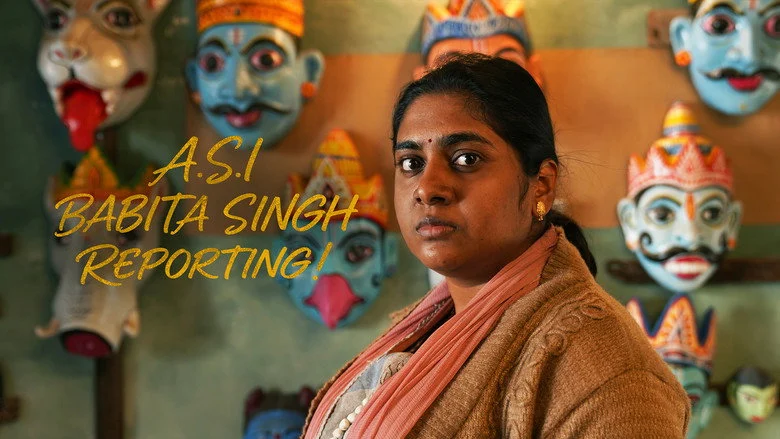
The first time we see Babita Singh, she is absorbing a casual insult about her weight from her sister-in-law, smiling through the sting because that is what a good guest, a good wife, a good cop does. That single moment of swallowed humiliation, set against the promise of a murder investigation, tells you everything about the film’s risk: it wants to find its thriller tension not in gunfights, but in the architecture of a patriarchal household.
Nimisha Sajayan’s Restraint Is The Film’s Engine
Sajayan does something quietly radical here: she plays Babita as a woman who has learned to make herself small, and the performance is all in the micro-adjustments. Watch how she physically shrinks during the in-law scenes, only to straighten her spine the moment she steps into the investigation.
Critics have repeatedly called her the film’s main strength, and it is easy to see why. She keeps the character emotionally grounded even when the narrative wobbles, making Babita’s frustration feel lived-in rather than performed.
Direction And Screenplay: Domestic Realism Meets Uneven Structure
Ambiecka Pandit’s direction is strongest when it lets the household pressure and the procedural beats bleed into each other. The scene where Babita takes a phone call about Bansi’s case while being asked to serve tea captures the film’s central tension better than any dialogue could.
But the screenplay, written by Amita Vyas, struggles to hold its two halves together. The mystery follows predictable beats, and the tonal balance between crime drama and marital drama never fully settles.

The Genre-Core Execution: A Character Study Posing As A Procedural
The film uses the murder case as a vehicle for character study rather than a pure puzzle, and that choice is both its strength and its limitation. The repeated body-shaming scenes show how the film roots genre tension in social behavior, the villain here is not a person but a system of expectations.
Scroll’s description of it as “a character study posing as a police procedural” is apt. The tension comes from social and emotional pressure more than action, and the investigative structure is intentionally understated.
That understatement works in the domestic scenes but hurts the mystery. The procedural momentum weakens because the film never commits fully to either register, leaving the payoff feeling underpowered compared with the character drama.
Supporting Cast: Function Over Flourish
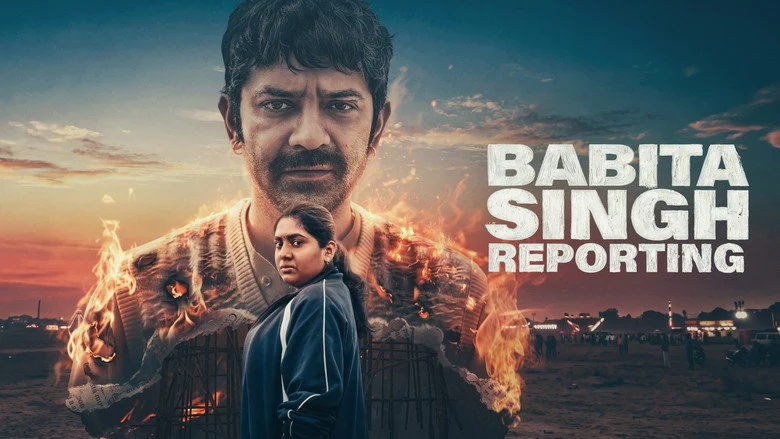
Barun Sobti’s Bansi functions as the emotional trigger for the investigation, and while his screen time appears limited, his presence haunts the narrative in a way that gives Babita’s quest weight. Rajesh Kumar and Anshumaan Pushkar are listed among the key cast, though their characters remain thinly sketched in the available discourse.
What their casting signals is a deliberate choice to surround Sajayan with familiar, dependable faces rather than scene-stealers. The film wants Babita to be the sole focus, and it largely succeeds in that aim.
The Political Angle: Patriarchy As The Real Antagonist
The film’s most pointed commentary is reserved for casual sexism, the kind that passes as normal in Indian households. There is no single villain to boo at; instead, the antagonistic force is patriarchal social pressure and hidden household deception.
This approach drew attention for its topicality, even if some viewers may find the lack of a concrete antagonist unsatisfying. Times of India’s 3.5/5 rating and its description of the film as “a quiet, thoughtful investigation into patriarchy and self-worth” captures the critical consensus well.
For those who want their crime dramas to come with a side of social commentary rather than twist-heavy plotting, this is a worthwhile watch on OTT. If you are expecting a fast, mass-action thriller, look elsewhere, this one asks you to sit with discomfort rather than escape it.
Babita Singh Reporting is a measured, character-driven drama that earns a 3.5/5 for Sajayan’s anchoring performance, even if its mystery never quite catches fire.
For more such Hindi Drama reviews, explore our extensive coverage.
If you appreciated this character-driven approach, you might find Toxic review equally compelling in its ambitions.
For another take on films that prioritize atmosphere over plot, check out Beyond Ratings verdict.
Ankit Jaiswal is the Chief Author, covering Indian cinema and OTT releases with honest, no-filler criticism. An SEO strategist by background, he brings a research-driven approach to film writing, cutting through hype to tell you exactly what's worth your time.