Ikka (2026): Sunny Deol-Akshaye Khanna Courtroom Drama Tests Morality


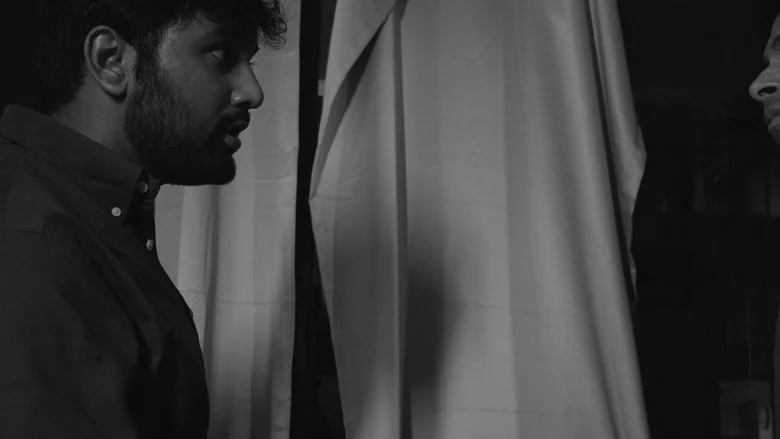
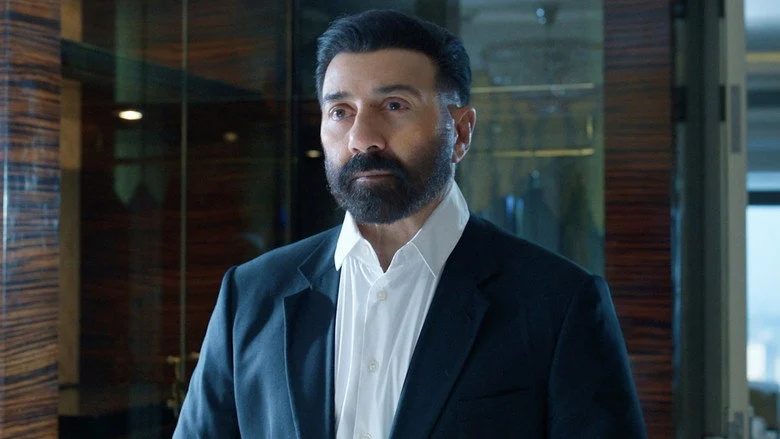
Arjun Mehra, a lawyer known as ‘Ikka’ for his unshakeable ethics, stands in a sterile hospital corridor as doctors explain that his daughter’s life depends on defending the very man whose career he destroyed. The camera holds on Sunny Deol’s face, and in that single close-up, you sense the entire film’s moral architecture cracking.
Sunny Deol’s Moral Wreckage in the Courtroom
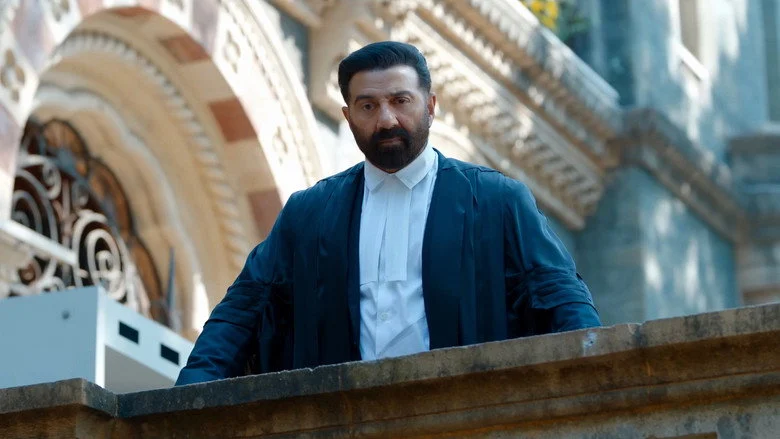
The scene where Arjun first agrees to defend Shauryamann is not played for loud, theatrical anguish. Deol underplays it, letting the camera catch the flicker of guilt beneath stoic resolve. His courtroom turn, using an unethical tactic to win a key point, is the film’s sharpest performance beat, a moment where his voice stays calm but his hands betray a tremor.
This is not the angry young man of the 1990s. Deol now acts with his eyes, and the vulnerability he shows when his daughter’s condition is revealed is quietly devastating.
Akshaye Khanna’s Smoldering Antagonist
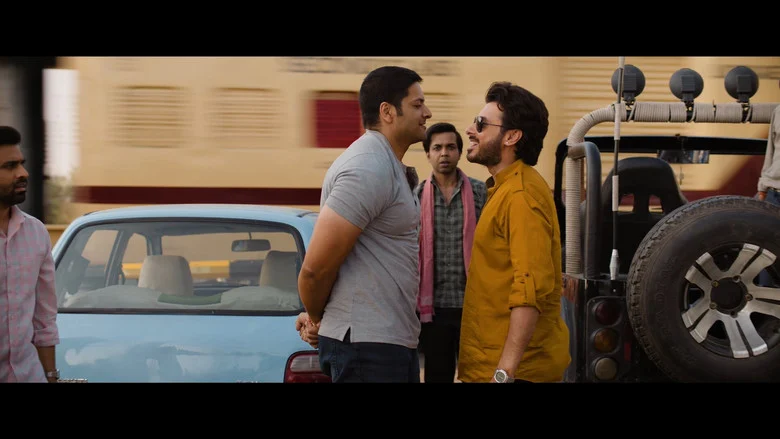
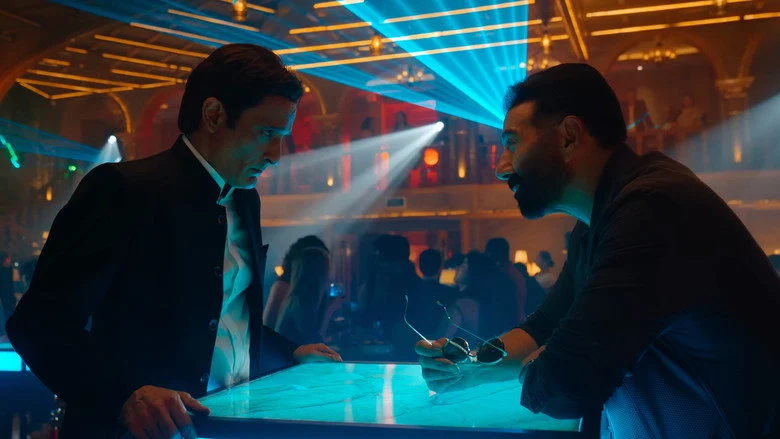
Akshaye Khanna’s Shauryamann Gaur is a predator in a tailored suit, his menace operating entirely below the surface. His calm, almost courteous demeanor during the courtroom confrontation with Arjun makes every line land like a tripwire.
Their reunion after Border is not just nostalgia, it’s a collision of two distinct acting registers. Khanna’s stillness makes Deol’s eruption work, and their shared history gives the film an unspoken personal vendetta that dialogue alone could never carry.
Genre-Core Execution: The Legal Thriller Balances on a Knife’s Edge
Siddharth P. Malhotra directs the courtroom sequences with a spatial clarity that lets the arguments breathe. The camera stays at eye level during cross-examinations, refusing to tip into melodrama. The scene where Arjun first agrees to take the case, his daughter’s life traded for his integrity, is shot in a single, unbroken medium-two-shot that forces us to watch both men calculate their next move.
The screenwriting by Althea Kaushal and Mayank Tewari wisely avoids turning every objection into a fireworks display. Instead, the tension comes from watching a principled man slowly invent justifications for his own corruption. The moment Arjun uses an unethical tactic in court is less about legal ingenuity and more about moral exhaustion, he doesn’t win because he’s smarter; he wins because he’s desperate.
Where the film wobbles is in the second half’s pacing, which stretches the emotional conflict thinner than the first half’s taut setup. The climax resolution, while thematically consistent, lacks the procedural surprise that separates good legal thrillers from great ones.
For more sharp analysis of similar storytelling, browse more Hindi Thriller reviews on our site.
Supporting Cast Anchors the Weight
Tillotama Shome, as lawyer Madhura Banerjee, brings the kind of lived-in emotional intelligence that makes every scene she’s in feel heavier. Her quiet reaction when Arjun crosses his first ethical line says more than any monologue could, she looks at him not as a colleague, but as someone watching a man drown.
Dia Mirza’s Avantika provides the film’s strongest grounding presence, though her role is more functional than revelatory. Her scenes with Deol are warm but never sentimental, and I found myself wishing the script gave her one scene of active agency rather than just reactive support.
The Price of Compromise: A Predictable Yet Earnest Climax
The film’s central theme, that justice is not blind but forced to see what you don’t want to, is handled with admirable seriousness, even if the execution sometimes feels schematic. The ethical compromises Arjun makes are telegraphed early, and the climax’s outcome will surprise no one who has watched a legal thriller before.
But the film earns its predictability through performance. The dialogue, “Justice is not blind. It sees everything, and sometimes, it forces you to see what you don’t want to”, lands because Khanna’s delivery doesn’t underline it; he lets the words sit in the air like smoke.
If you are looking for a legal thriller that prioritizes actor craft over plot twists, this is a solid, emotionally honest watch, best seen on Netflix with the lights off and no distractions. Give it two and a half stars out of five for its performances and its willingness to sit inside moral gray zones without cheating the audience.
Sunny Deol’s moral wreckage here shares DNA with the defiant humanity in Satluj review.
Ankit Jaiswal is the Chief Author, covering Indian cinema and OTT releases with honest, no-filler criticism. An SEO strategist by background, he brings a research-driven approach to film writing, cutting through hype to tell you exactly what's worth your time.