
Mollywood Times (2026): Naslen’s gamble on cinema obsession over conventional narrative



A teenage boy from Kuttikkanam corners his father with a single, loaded question: “Dad, will you buy me a video camera?” The request carries weight beyond material want, it’s a declaration of artistic intent that will define everything that follows. Abhinav Sunder Nayak’s Mollywood Times is built on that collision between youthful ambition and parental reality, positioning filmmaking not as backdrop but as the film’s actual emotional spine.
This is a coming-of-age film that refuses to court mainstream sentimentality. Instead of romance or rebellion, it makes cinema itself the teenage obsession, a deliberate bet that aspiration can carry a 168-minute narrative. That’s the film’s central risk, and whether it lands depends entirely on whether the viewer accepts a teenager’s hunger to direct as sufficient dramatic fuel.

Naslen carries the ambition without apologizing for its narrowness
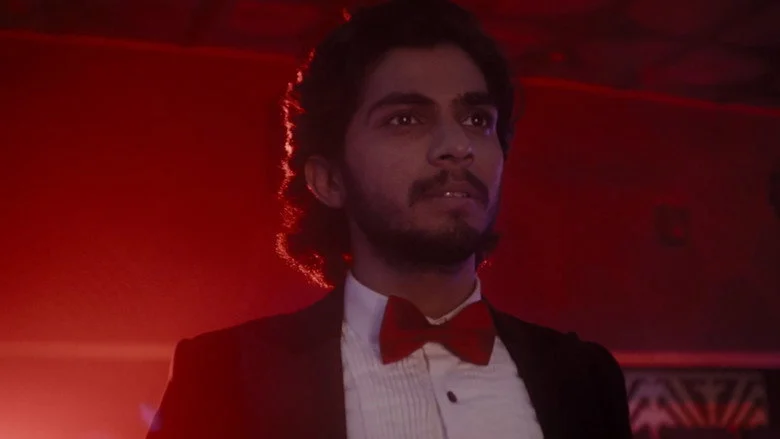
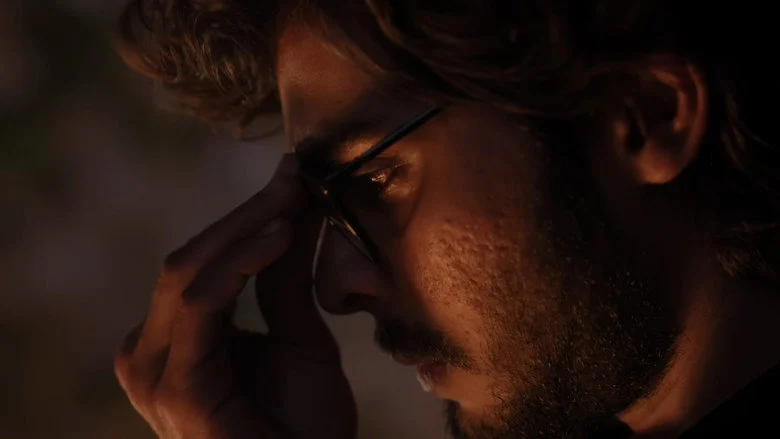
Naslen’s Vineeth Madhavan is defined by a single, consuming drive: the need to make films. The character doesn’t soften this hunger with charm or rebellion; instead, the performance lives inside the obsession itself. When Vineeth pitches his horror short to his collaborators, the dialogue reveals no compromise, “For that, simply scaring the audience isn’t enough”, and Naslen delivers this with the intensity of someone for whom cinema is not interest but necessity. The casting itself signals directorial intent: this is Nayak’s declaration that a teenager’s creative ambition, untempered by coming-of-age cliché, can sustain a feature-length narrative.
Nayak frames filmmaking as the antidote to conventional storytelling
Director Abhinav Sunder Nayak makes one unmistakable choice: he positions this film as a deliberate rejection of the cinema romance. Where most Malayalam films about filmmaking treat the craft as romantic metaphor, Mollywood Times treats it as lived reality, messy, technical, uncompromising. The teaser dialogue about first films being “recorded and remembered in history” is self-aware without being arch, a craft-first approach that mirrors the screenplay’s refusal to dilute Vineeth’s obsession with subplot convenience. Yet the film’s 168-minute runtime raises legitimate questions about whether Nayak sustains this tonal precision across its full span, particularly if the middle section merely documents aspiration rather than complicating it.
Genre execution trades conventional momentum for cinema-centric immersion
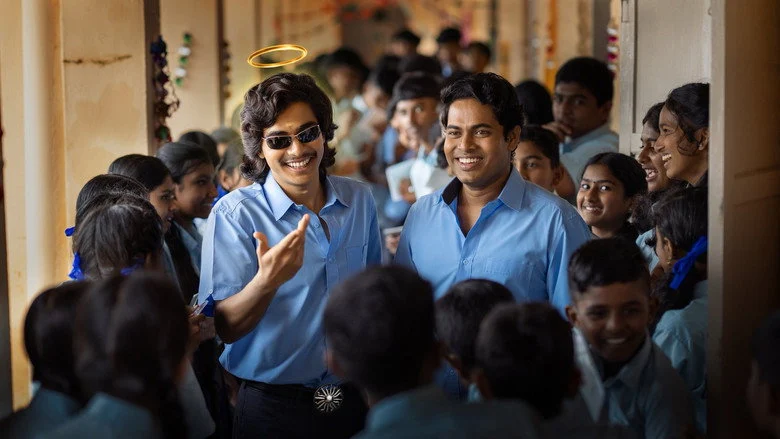
A comedy-drama built on filmmaking aspiration must justify its comedy through the lens of creation, not character quirk. Mollywood Times appears to do this: the exchange about making a horror short film generates humor from filmmaking logic (“That fear should create history!”), not from teenage awkwardness or social embarrassment. The humor lives inside the craft itself, which is both its strength and its risk.
The coming-of-age framework typically demands emotional beats tied to identity formation or social acceptance. Here, identity is already formed, Vineeth knows he is a filmmaker before the film begins. The drama comes from the practical, unglamorous act of turning that identity into reality: securing equipment, assembling a crew, executing a vision. This is mature territory for a coming-of-age film, trading the safety of romance or friendship arcs for the narrower, harder work of artistic pursuit.
Whether this execution sustains across 2 hours 48 minutes depends on the screenplay’s willingness to test Vineeth’s certainty rather than simply chronicle it. The teaser moments, the camera request, the horror-film planning, suggest Nayak understands that ambition alone requires conflict to remain dramatically viable. If the middle section merely documents Vineeth’s steady progress, the film risks becoming a feature-length proof of concept rather than a fully realized narrative.
Viewers seeking depth in Malayalam cinema reviews and critical analysis will find rich territory here. Malayalam Drama reviews continue to explore how regional cinema balances tradition with experimentation, and this film’s formal choices merit ongoing discussion.
Sangeeth Prathap and Sharafudheen anchor the crew dynamic without clear definition
Both supporting actors are present in the cast but remain cinematically undefined in promotional materials. This absence of character clarity signals either Nayak’s focus on keeping Vineeth’s perspective central, or a screenplay that hasn’t fully sculpted the crew members who surround the aspiring director. Their casting suggests peers rather than mentors, which fits the coming-of-age framework where collaborative ambition matters more than hierarchical guidance.
Delayed release reflects cautious confidence in an unconventional premise
The film shifted from a late-2025 target to June 2026, a move that suggests neither controversy nor crisis, but rather typical production recalibration. For a cinema-focused coming-of-age film with no marquee action or romance machinery, such timing adjustments often indicate distributor and production-house confidence in the material’s shelf-life and niche positioning. There is no verified audience backlash or social-media friction in the available record, which itself suggests the film operates in specialist rather than mass-market space.
Mollywood Times is not a film for viewers seeking conventional narrative gratification. If you accept that a teenager’s burning need to make a horror short film can carry dramatic weight for 168 minutes, and if you’re attuned to the meta-cinema humor embedded in filmmaking logistics, this is worth a theatrical visit. Naslen commits fully to the obsession, and Nayak refuses to soften his own formal choices in service of broader appeal. Watch it in a cinema where the tonal precision matters.
Mollywood Times succeeds most when it trusts its narrow focus, earning a solid 3.5 out of 5 for choosing formal risk over narrative safety.
Madhuri Dixit’s recent Maa Behen review explores similar ground of unconventional character drives within ensemble frameworks.
Both Mollywood Times and Hai Jawani verdict test whether niche emotional stakes can sustain feature length without mainstream genre machinery.

Ankit Jaiswal is the Chief Author, covering Indian cinema and OTT releases with honest, no-filler criticism. An SEO strategist by background, he brings a research-driven approach to film writing, cutting through hype to tell you exactly what's worth your time.