
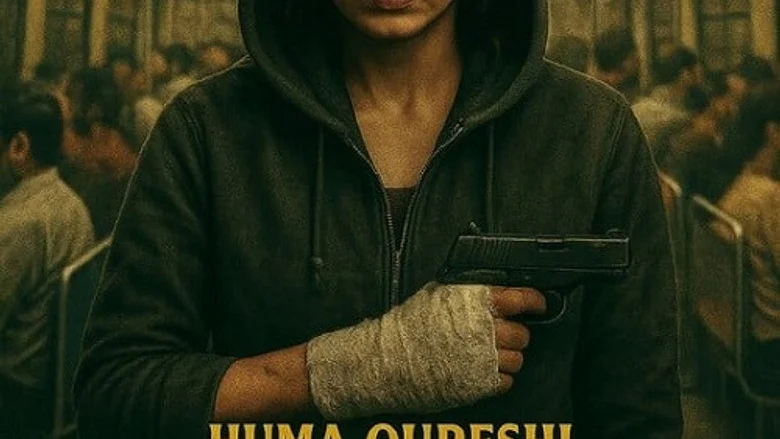
Baby Do Die Do (2026): Huma Qureshi Anchors a Flawed Neo-Noir Thriller



A deaf-mute woman stands in a rain-slicked Mumbai alley, her eyes fixed on a point beyond the frame. She cannot hear the world, but a voice, her dead sister’s, cuts through the silence, and an assassin is born.

Huma Qureshi: The Silent Core of the Film
Huma Qureshi’s Baby is the film’s beating heart, a performance built on physical restraint and expressive eyes. The opening sequence, where she first hears her sister’s voice in a dark alley, is a masterclass in using stillness to convey a lifetime of isolation, without speaking a word.
Her transformation from a lonely woman to a calculating killer is earned through a series of micro-expressions. Qureshi makes you believe in the psychological toll of this double life, even when the screenplay around her falters.
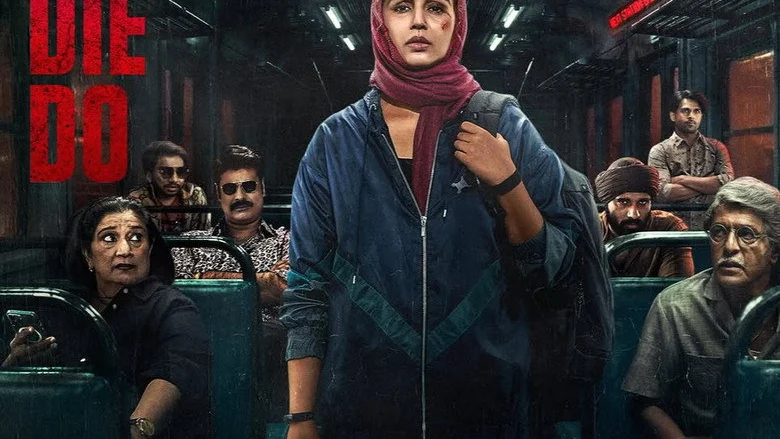
Nachiket Samant’s Uneven Vision
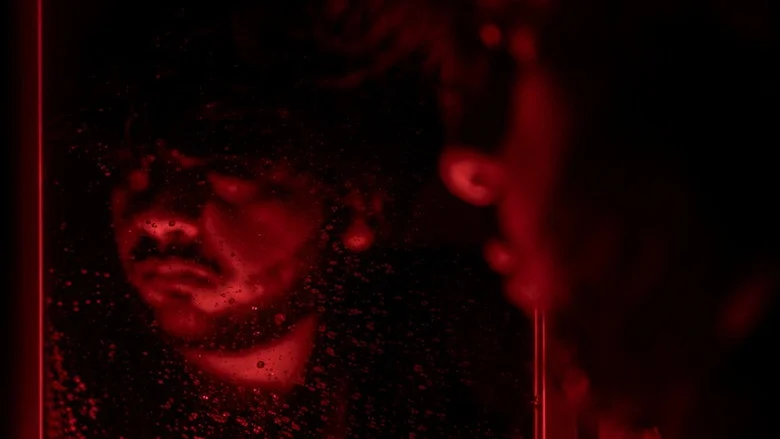
Director Nachiket Samant nails the atmosphere of a gritty neo-noir, painting Mumbai as a labyrinth of secrets and shadows. The dark alley scenes are effectively photographed, reinforcing Baby’s internal prison.
But the first murder sequence drags, a pacing issue that weakens the tension Samant works so hard to build. The screenplay also has some plot holes in the middle section that a sharper edit could have resolved.
The Voice as a Narrative Weapon
The device of the dead sister’s voice is the film’s most inspired element. It functions as both a guide and a chain, and Qureshi’s reactions to it create the movie’s most unsettling moments. The first encounter in that alley is a standout scene of pure thriller craft, blending sound design and performance perfectly.
Where the genre execution stumbles is in the execution of the murders themselves. The violence is implied rather than visceral, which fits the neo-noir tone but sometimes feels detached. The climax revelation, however, is well-constructed and recontextualizes much of what came before.
I found the final twist earned, even if the journey to get there had its share of bumps. The moral ambiguity of using violence for a purpose is explored with a seriousness that most Bollywood thrillers avoid, giving the film a weight it carries right to the final frame.
Supporting Cast: Missed Opportunities and Solid Turns
Sikandar Kher brings a quiet menace to his role, hinting at a backstory the script never fully explores. Chunky Pandey, in a smaller part, reminds you why he remains an underrated presence in serious cinema, his one scene with Qureshi crackles with unspoken tension.
Seema Pahwa and Vidya Malvade are both underutilized, their characters feeling like shortcuts to plot points rather than full human beings. This lack of depth for the ensemble is the film’s most consistent weakness, leaving several subplots feeling half-finished.
To dig deeper into the year’s best action and crime films, browse our Hindi Thriller reviews.
Audience Reception: A Polarizing Experience
Audiences have praised the film for its strong portrayal of Baby’s isolation and the effective use of the dead-sister voice as a narrative device. The climax revelation also gets consistent applause for tying the threads together.
However, complaints about pacing, especially during the first murder sequence, and underdeveloped supporting characters have kept the conversation mixed. Without public critical ratings or box office data, the film’s ultimate fate hangs on word of mouth, and that word is divided.
If you appreciate a lead performance that carries a film through its rough patches, give Baby Do Die Do a chance in a regular cinema, the neo-noir lighting deserves a proper dark room. It is a watch for Qureshi’s commitment and the clever twist, but a skip for those who cannot stomach slow-burn gaps.
For a more complete performance-led thriller, consider Alpha review.
Baby Do Die Do is an ambitious but uneven film, earning a generous 2.5 out of 5 stars for its lead performance and climax, but losing points for its pacing and supporting cast development.
For a comparison in uneven comedy-action execution, read our take on Welcome Jungle verdict.

Ankit Jaiswal is the Chief Author, covering Indian cinema and OTT releases with honest, no-filler criticism. An SEO strategist by background, he brings a research-driven approach to film writing, cutting through hype to tell you exactly what's worth your time.