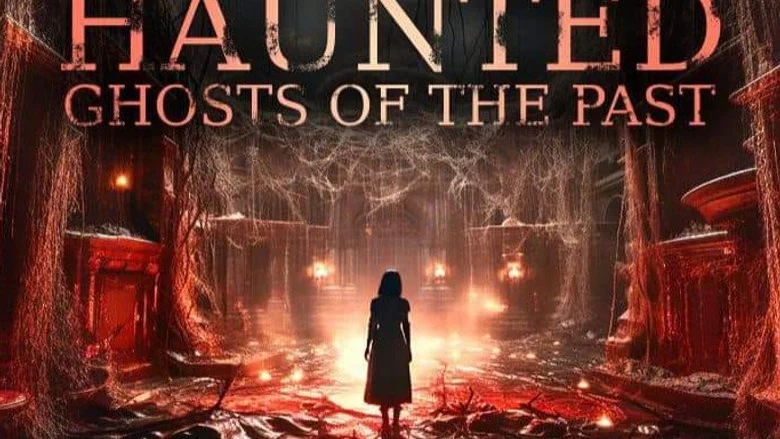
Haunted 3D: Ghosts of the Past (2026): Mimoh Chakraborty Anchors Vikram Bhatt’s Atmospheric Horror Gamble


A couple settles into a remote mountain mansion only to discover that the walls themselves remember, and they’re eager to speak. Vikram Bhatt’s latest plunge into the supernatural explores what happens when the past refuses to stay buried, anchored by Mimoh Chakraborty’s genuine struggle against forces that feel both visceral and deliberately ambiguous.
The film operates on a simple premise with layered execution: investigate the mansion, uncover the spirits’ connection to a mineral called “Fire Source, ” survive until dawn. Yet Bhatt’s direction reveals more interest in atmosphere than resolution, creating a slow-burn horror that commits fully to dread before abandoning its own logic in the final act.
Mimoh Chakraborty Commands the Haunted Frame
Chakraborty’s lead performance carries the film through its murkiest passages. His portrayal of creeping fear, from the hallway’s first supernatural encounter to the basement confrontation with the primary spirit, feels earned rather than performed. The actor resists overplaying panic, instead settling into a register of determined vulnerability that makes his character’s choices, however questionable, feel grounded.
What stands out is his emotional depth during moments of raw trauma. When confronting the spirits, Chakraborty doesn’t just react; he reckons. This consistency across the runtime prevents the film from collapsing entirely under its narrative weight, though even his capable hands cannot salvage the ambiguous resolution that undermines the haunting’s stakes.
Vikram Bhatt’s Atmospheric Strength Fractures Under Pacing Strain
Bhatt’s directorial hand shows obvious skill in the first half, the mansion becomes a character itself, all shadow and suffocating quiet. The 3D integration elevates rather than gimmicks the horror, using depth to trap viewers inside the couple’s growing claustrophobia. But the second half abandons this measured approach for rushed exposition and an ending that resolves nothing while expecting emotional catharsis.
The screenplay’s structural ambition, weaving non-linear elements about the mansion’s past, collapses under inconsistent pacing. Plot holes emerge not from complexity but from half-formed ideas, particularly around the “Fire Source” mineral’s actual purpose and power. A director who understands atmospheric horror this well should have trusted his instincts rather than reaching for supernatural tropes without offering fresh angles on them.
Horror Craft That Nearly Works, Then Surrenders
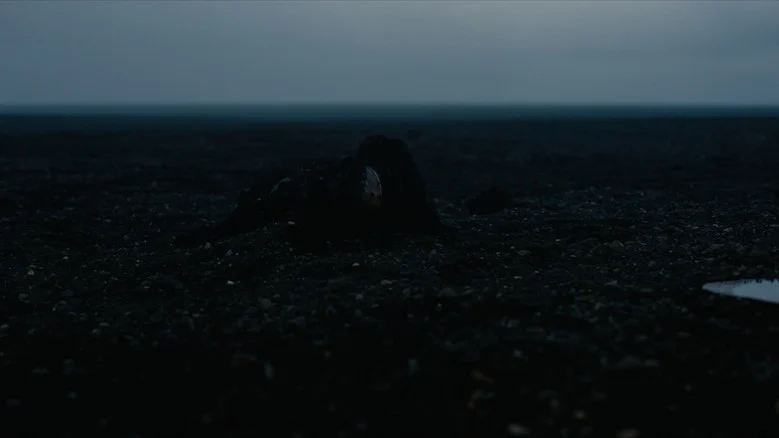
The initial encounter with spirits in the mansion’s hallway remains the film’s most effective setpiece. Bhatt uses the 3D format to create genuine spatial unease, the camera lingers in corners, spirits emerge from architectural shadows, and the viewer never feels safe in any frame. The dark, shadowy cinematography becomes not just a visual choice but a narrative device, obscuring threats while amplifying tension.
Background score amplifies this immersion, building dread through absence as often as presence. The horror grammar speaks fluently here: slow reveals, atmospheric patience, the feeling of being watched. Yet the basement confrontation, the climax, abandons subtlety for spectacle without earning the shift. The supernatural elements rely on familiar beats: possessed spaces, tortured spirits seeking vengeance, artifacts tied to dark power.
What the film does better than its 2011 predecessor is the immersive 3D execution and stronger atmospheric tension. What it fails at is originality within those tropes and any sense that the horror serves a larger thematic purpose beyond “disturbing the past has consequences.” The fire itself becomes metaphor without becoming meaning.
Explore more Hindi Horror reviews to understand how Bhatt’s recent work compares to the current genre landscape.
Supporting Cast Lost in Atmospheric Fog
Chetna Pande carries subtle emotional weight in her supporting role, lending credibility to the couple’s deteriorating sanity. Her moments of quiet realization, when she begins to grasp what the mansion truly harbors, suggest a performer capable of anchoring her own narrative. Yet the screenplay never grants her that space, instead treating her as reactive echo to Chakraborty’s journey.
Gaurav Bajpai brings competence to investigative scenes, his methodical approach to uncovering the mansion’s history providing procedural rhythm. Shruti Prakash, Praneet Bhatt, and Hemant Pandey populate the periphery without making lasting impressions, underdeveloped in ways that suggest weak character architecture rather than weak acting.
Ambiguous Ending Signals Either Cowardice or Philosophy
The film’s treatment of its central conflict, particularly the resolution of the “Fire Source” mineral’s power and the couple’s ultimate fate, remains deliberately murky. Whether this constitutes artistic restraint or narrative evasion depends entirely on viewer generosity. The ambiguity frustrates because the setup suggests real stakes, real danger, real consequences waiting to be named.
Audience reception reflects this split: immersion in the 3D horror experience and Chakraborty’s performance appeal strongly to genre enthusiasts, while the confusing ending and lack of originality alienate those seeking psychological depth or narrative clarity. The film succeeds as visceral experience, fails as coherent storytelling.
Watch this in 3D format or skip it entirely in 2D, the depth becomes essential to its effectiveness, though even theatrical presentation cannot repair the broken third act. Bhatt demonstrates clear command of atmospheric horror mechanics while simultaneously proving that atmosphere alone cannot sustain a feature without thematic or narrative resolution. Chakraborty’s grounded performance makes the journey worthwhile for dedicated horror fans willing to forgive conceptual incompleteness, but the film ultimately proves that haunting a space is easier than haunting a viewer’s conscience.
Similar thematic exploration of trauma manifesting as supernatural force appears in Vo Ladki review, which handles emotional layering with greater precision.
Haunted 3D: Ghosts of the Past works best as a 3D theatrical experience anchored by Chakraborty’s committed performance, though Bhatt’s directorial choices ultimately shortchange the narrative, a solid 2.5 out of 5 for horror enthusiasts, considerably less for those demanding thematic coherence.
Vikram Bhatt’s approach to character vulnerability under supernatural pressure echoes the performance dynamics explored in Peddi verdict, where charisma sustains conceptual weakness.
Ankit Jaiswal is the Chief Author, covering Indian cinema and OTT releases with honest, no-filler criticism. An SEO strategist by background, he brings a research-driven approach to film writing, cutting through hype to tell you exactly what's worth your time.