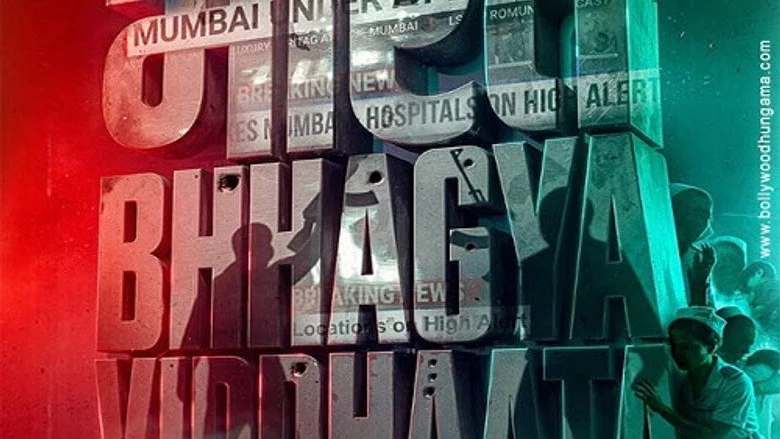
Bharat Bhhagya Viddhaata (2026): Kangana Ranaut’s Hospital Siege Honors 26/11 Unsung Heroes


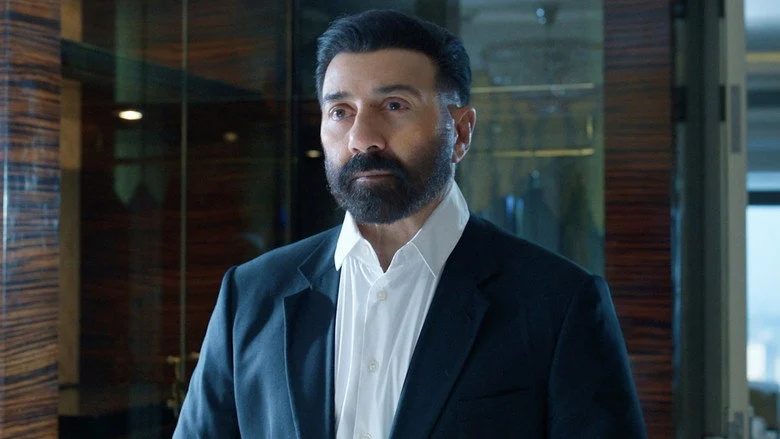
The Cama Hospital in Mumbai transforms into a battleground not of weapons but of will. On the night of 26/11, routine ward duties dissolve into chaos as news of terror attacks outside seeps through the corridors, and hospital staff, nurses, ward boys, administrators, must choose between flight and defense. Manoj Tapadia’s film plants us firmly in those opening minutes, where tension builds not through spectacle but through the quiet realization that ordinary people are about to do something extraordinary.
This is a film that believes in collective heroism over individual myth-making, a choice that anchors its moral compass but also constrains its dramatic reach. Kangana Ranaut’s unnamed hospital staffer becomes the film’s emotional center, not its protagonist, a distinction that matters when the narrative counts on ensemble solidarity rather than star power to carry its weight.
Kangana Ranaut Organizes Chaos with Quiet Authority
Ranaut’s performance operates in a register of restraint. In the barricading scene, where staff block doors against approaching terrorists, she conveys determination through posture and presence rather than dialogue. The emotional climax, where she confronts the final wave of threat, finds her anchored by a tension between fear and duty that feels earned rather than performed. Her work here lacks showiness, which is precisely what the material demands.
Where the film occasionally stumbles is in asking her to carry emotional beats that the screenplay hasn’t fully earned through character work. Still, she remains credible as someone whose heroism stems from proximity and circumstance rather than predestined valor.
Tapadia’s Direction Nails Tension, Loses the Middle
The opening thirty minutes demonstrate genuine directorial control. Tapadia builds dread through spatial awareness, the hospital layout becomes a character, doors and corridors converting from familiar paths into vulnerability. The barricading scene showcases this skill: close-ups catch the staff’s hands gripping furniture, eyes scanning windows, creating intimacy within crisis. This is craft in service of story.
The screenplay’s central flaw is the antagonist structure. Terrorists remain unnamed, faceless, devoid of individual pathology or motivation. While this choice theoretically elevates the film’s democratic focus, crisis affects all equally, it also robs the thriller half of psychological texture. A villain with specificity, even a hateful one, generates dramatic friction that nameless threats cannot.
Pacing collapses in the middle section, where coordination scenes stretch without narrative momentum. The final confrontation accelerates again, but the sag between setup and payoff tests patience. Tapadia’s screenplay (he also wrote) builds vertically in Act One, horizontally in Act Two, vertically again in Act Three, a rhythm that favors spectacle over the intimate negotiations this story actually contains.
Smita Tambe and Girija Oak Anchor the Ensemble Without Recognition
Smita Tambe maintains steady presence throughout patient-protection sequences, her face registering the compound pressure of medical duty and personal fear. She reads as someone whose training collides with unprecedented reality, though the script never grants her a scene that fully explores that conflict. Girija Oak lands harder in security coordination moments, her authority convincing in moments where the hospital’s perimeter dissolves. Both performers suffer from underdeveloped arcs, they deserve more, the film deserves more from them.
Casting these actors signals the film’s commitment to authenticity over glamour. Their work suggests real institutional weight, people bound by profession rather than narrative contrivance.
The broader supporting ensemble, Aditya Mishra, Zahid Khan, Amrutha Namdev, Rasika Agashe, functions as collective nervous system rather than individual voices. This approach respects the historical record but undermines dramatic texture. We sense their presence; we never fully know their stakes.
The 26/11 Crisis Becomes a Moral Threshold, Not a Spectacle
Bharat Bhhagya Viddhaata trades pyrotechnics for procedure. The thriller elements emerge from logistics: How do you move 400 patients? Where do you hide them? What do you say to someone who believes they’re about to die? These are questions of survival, not heroism. The film’s central achievement is honoring that distinction, refusing to mythologize ordinary people’s ordinary responses to extraordinary pressure.
The barricading sequence demonstrates thriller craft without relying on action choreography. Dark lighting, close framings, the sound design of furniture scraping against floors, these choices convey threat through environmental pressure rather than violence. When the final confrontation arrives, the staff standing firm against terrorists carries weight precisely because they’ve been shown as vulnerable, unglamorous, afraid.
Yet this restraint also costs the film momentum. Drama requires specificity; when supporting characters remain sketches, their collective moments feel generalized rather than earned. The antagonists’ namelessness, intended as a statement about the fungibility of terror, instead reads as narrative evasion. A thriller needs opposition with texture, even if that opposition is evil.
The Unsung Heroes Deserve Better Screenplay Architecture
This film’s respect for its real-world inspirations is genuine. The hospital staff of 26/11 deserve commemoration, and Tapadia’s focus on their collective action rather than individual mythology is honorable. But honor isn’t enough. Drama demands character specificity; thriller demands antagonist depth. Ranaut performs the balance well, and the technical craft in Act One proves Tapadia understands tension. The middle section’s pacing sag, however, suggests the screenplay never fully solved how to sustain momentum when the plot, staff protect patients, staff succeeds, follows a predetermined path.
I found myself invested despite the structural limitations, moved by the film’s refusal to exploit trauma for sentiment. That’s a victory. But it’s a partial one, constrained by underdeveloped supporting arcs and the absence of a meaningful antagonist presence. The audience sentiment, strong appreciation for Ranaut’s work and the story’s authenticity, frustration with pacing, tracks with these observations.
For viewers drawn to historical dramas about collective courage, this is worth seeing in a theater, where the spatial geography of the hospital design and the intimacy of the barricading scenes register fully. For those expecting either action propulsion or deep character work, the middle section will test your commitment.
Bharat Bhhagya Viddhaata honors real sacrifice but settles for competence where its material demanded excellence, a film that respects its story’s weight without quite finding the dramatic architecture to fully sustain it, earning a solid 3 out of 5 for craft and intention that outpace execution.
Interested in more Hindi drama reviews? Explore our collection of Hindi Drama reviews and similar historical narratives.
Tapadia’s restraint echoes the atmospheric discipline seen in Haunted 3D review, where ordinary spaces become psychological territory.
Both films navigate ensemble narratives caught between personal stakes and larger historical forces, much like the characters in Vo Ladki verdict.
Ankit Jaiswal is the Chief Author, covering Indian cinema and OTT releases with honest, no-filler criticism. An SEO strategist by background, he brings a research-driven approach to film writing, cutting through hype to tell you exactly what's worth your time.