Governor (2026): Bajpayee Gambles on Bureaucratic Restraint During Economic Crisis


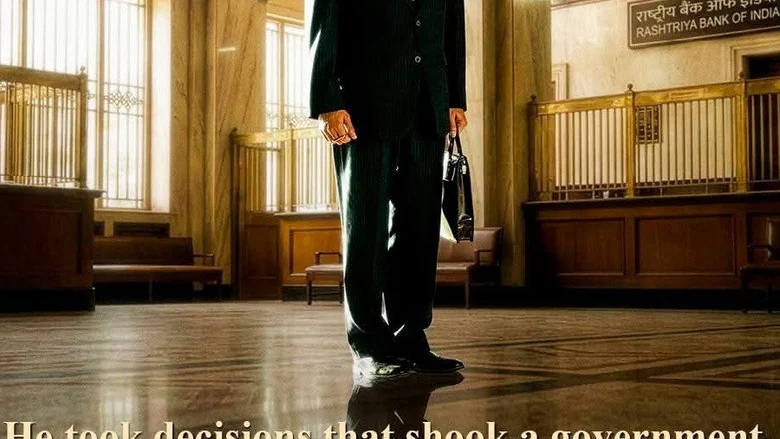
A reluctant RBI Governor sits in his office as inflation spirals, fuel evaporates from pumps, and India teeters toward bankruptcy in 1990. Manoj Bajpayee’s Raman arrives at this desk uninvited, carrying the weight of a nation’s collapse on shoulders built for policy, not politics. The film stakes everything on the idea that restraint under fire can be as dramatic as violence, a dangerous gamble that either defines the viewer’s evening or wastes it.
Director Chinmay D Mandlekar’s *Governor: The Silent Saviour* arrives as an unlikely entry into Hindi cinema’s political thriller canon. This is a film about a man who cannot punch his way out of trouble, charm his way through bureaucracy, or fall back on melodrama when systems fail. Instead, it asks whether watching someone think harder than everyone else qualifies as cinema. That’s the entire wager.
Bajpayee’s Muted Authority Carries Impossible Weight
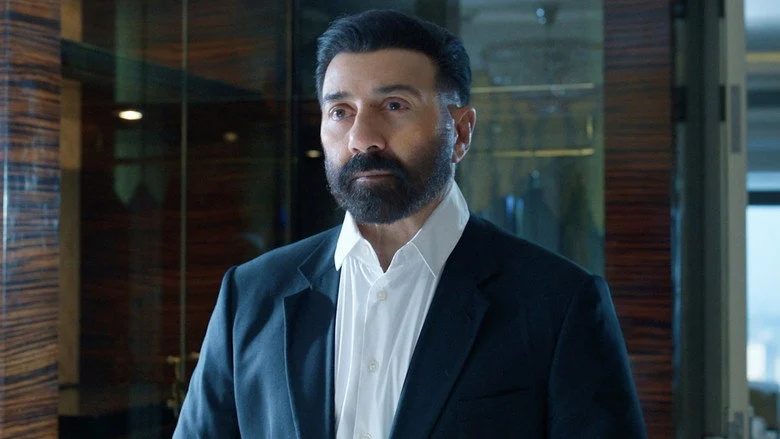
Manoj Bajpayee has built a career on playing men who swallow their rage whole. In *Governor*, he swallows national desperation. The appointment sequence introduces Raman as bureaucrat-turned-crisis-manager, and Bajpayee commits entirely to the performance style the role demands: no grandstanding, no convenient anger outbursts, only the incremental wear of a man watching systems collapse around him. His face does the acting here, calculation folding into exhaustion, exhaustion hardening into resolve.
The pressure sequences that follow, where Raman confronts institutional resistance while inflation spirals and fuel shortages deepen public panic, rely entirely on Bajpayee’s ability to play authority without volume. Few actors can sustain this register for two hours without feeling hollow. Bajpayee risks looking small on screen; instead, he becomes the only solid object in a collapsing room.

Mandlekar’s Crisis Setup Stumbles Against Screenplay Scaffolding
The film’s strongest choice is its premise: India’s 1990 economic emergency as the dramatic engine rather than backdrop. Mandlekar uses this grounding well, the appointment, the escalation, the final intervention move logically through cause and consequence. But the screenplay relies too heavily on exposition to explain economic collapse, a choice that transforms dramatic tension into educational obligation.
Dialogue carries the weight that scenes should. Lines like *”India is on the verge of bankruptcy”* and *”If I fail… India fails”* tell us stakes rather than showing us suffering. The institutional-resistance passages needed tighter scene work, moments where Raman’s decisions visibly fracture the system around him, not sequences where he explains why the system is fracturing.

Political Thriller Mechanics Grind Without Genre Surprises
As a political thriller, *Governor* commits to procedural authenticity. The narrative follows appointment through crisis management to intervention, a structure that mirrors real governance rather than invented plot twists. This is intentional and admirable, the tension springs from time running out and options vanishing, not from hidden betrayals.
The highest-stakes leadership sequence, where Raman is forced into decisive action while the nation nears collapse, delivers the film’s central argument: that unspectacular choices made under crushing pressure constitute real drama. The scene works if you accept that economic policy can be as gripping as shootouts. If you don’t, you’re watching a bureaucrat make phone calls for two hours.
The film never pivots toward action or melodrama as relief. This consistency is either its strength or its death sentence. *Governor* trusts that viewers care enough about India’s 1990 crisis to sit through scenes of political pressure and systemic resistance. Most mainstream cinema audiences do not. The film’s risk is also its ceiling.
If you’re drawn to stories about institutional collapse and individual responsibility within impossible constraints, Hindi political dramas have rarely dared this much restraint. Explore more Hindi Thriller reviews to contexttualize where this film sits in the landscape.
Adah Sharma Exists in Script’s Shadow
Adah Sharma is billed as the female lead, positioned within the crisis narrative, yet the available material offers no scene-specific grounding for her performance. Her presence appears functional rather than dramatic, a role designed around the male protagonist’s arc rather than as a separate throughline. This casting choice signals that *Governor* treats women as supporting infrastructure to male leadership stories, a structural limitation that the screenplay never acknowledges or subverts.
No Villains, Only Systems, A Political Gamble
The most provocative choice: *Governor* refuses a named antagonist. No corrupt politician undercuts Raman. No rival bureaucrat sabotages him. The opposing force is the crisis itself, plus abstract political pressure and institutional inertia. This absolves the film from character-driven conflict and forces it to generate tension through economics and time.
That risk either feels intellectually rigorous or dramatically hollow. The film positions itself as an unsung-hero narrative about a man fighting to preserve the nation’s survival, a framing that carries obvious political implications. If the film lands, it becomes a statement about individual conscience within institutional failure. If it doesn’t, it’s a civics lesson in dramatic form.
*Governor: The Silent Saviour* is a film that will divide seasoned viewers sharply. If restraint bores you, leave early. If you’ve ever found bureaucratic tension genuinely gripping, Bajpayee’s performance and Mandlekar’s refusal to soften the premise may reward your patience. This is arthouse cinema dressed as mainstream Bollywood, and mainstream audiences rarely dress for the occasion.
Watch this in theatrical format if you watch it at all, the economic-pressure sequences are built for concentrated attention without pause, and home viewing will sap the film’s already fragile dramatic momentum. Mandlekar’s earlier work, Bharat Bhhagya review, similarly grounds itself in historical crisis and unsung leadership, proving this director’s commitment to institutional rather than personal drama.
*Governor: The Silent Saviour* is a 3 out of 5, a politically ambitious misfire that works in fragments but rarely coheres, though Bajpayee’s refusal to perform melodrama keeps it from collapsing entirely.
This film shares Haunted 3D verdict‘s willingness to bet on premise over execution, trusting concept to carry what screenplay cannot sustain.
Ankit Jaiswal is the Chief Author, covering Indian cinema and OTT releases with honest, no-filler criticism. An SEO strategist by background, he brings a research-driven approach to film writing, cutting through hype to tell you exactly what's worth your time.