
Max, Min and Meowzaki (2026): A quiet family drama that finds its pulse in the silences



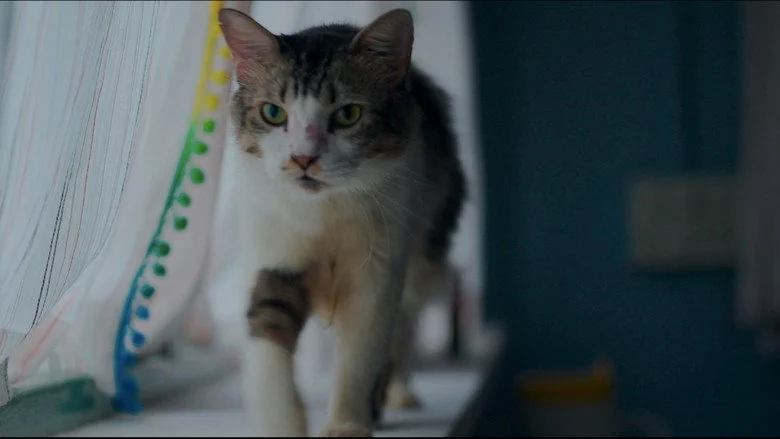
The Mahadevan family has a problem: three generations, all single at once. A newly separated man, an estranged father, and a sick grandfather orbit each other in the same domestic space, and the only witness to their emotional wreckage is a drowsy cat.
This is the setup for SSO Productions’ English-language drama, a film that opens with the weight of unspoken grief rather than the bang of a plot engine. The premise promises a layered study of loneliness, and for stretches, it delivers exactly that.

Siddharth Menon finds the quiet register of loss
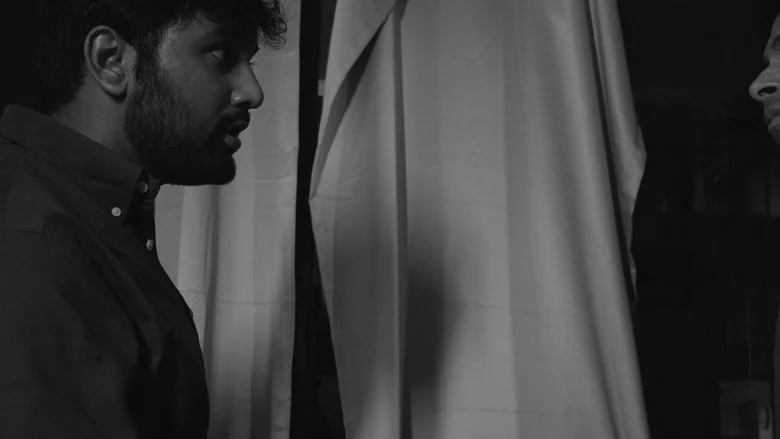
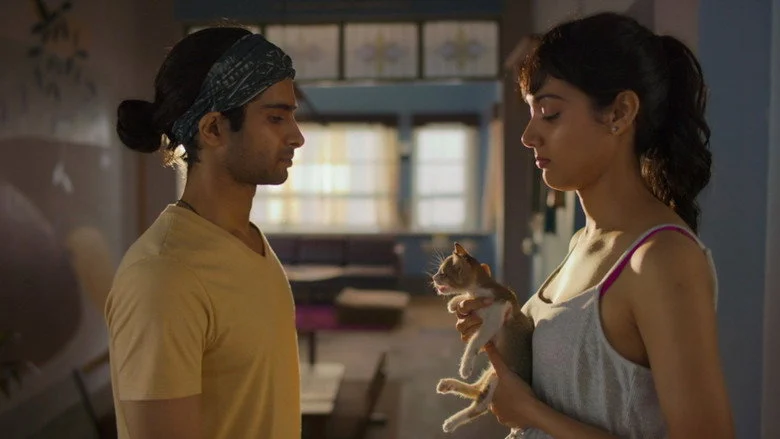
Menon carries the film as Max, the newly single protagonist, and his performance is built on restraint. He does not perform grief; he inhabits it through small gestures and long pauses, making the intimate, dialogue-driven scenes land with unusual honesty.
His scenes opposite the drowsy cat, used as a recurring narrative hook, are the film’s most distinctive visual signature. Menon plays off the animal’s indifference as a mirror to his own emotional numbness, a choice that avoids sentimentality and keeps the character grounded.
Direction and screenplay: sensitivity over sharpness
The director’s primary strength is a gentle hand with generational conflict, treating each character’s pain as valid rather than competing. The therapy-like conversation scenes that form the structural backbone of the middle act are handled with patience, allowing the ensemble to breathe.
But the script’s weakness is its middle stretch, which multiple reviews flagged as overlong and shallowly written. The film’s commitment to restraint occasionally tips into emotional repetition, and the drama loses momentum just when it needs to complicate its own themes.
Genre-core execution: drama as an inward journey
This is a drama that refuses external escalation, and that is both its courage and its limitation. The conflict is internal, familial, and resolved not through a twist but through the slow, unglamorous work of reconciliation. The final passages, where the family finally confronts its emotional distance, are the film’s most praised scenes, earned precisely because the script did not rush to get there.
The film leans on domestic and urban textures for its tone, using intimate framing to keep the audience inside the family’s claustrophobic emotional space. There is no villain here; the opposition is the silence between people who love each other but have forgotten how to say it.
What this approach sacrifices is pace. The steady, setup-heavy first half gives way to a second half that feels emotionally stretched, and at least one review noted the film’s “overlong indie” runtime as a structural problem rather than a creative choice.
The ensemble: a family built on small moments
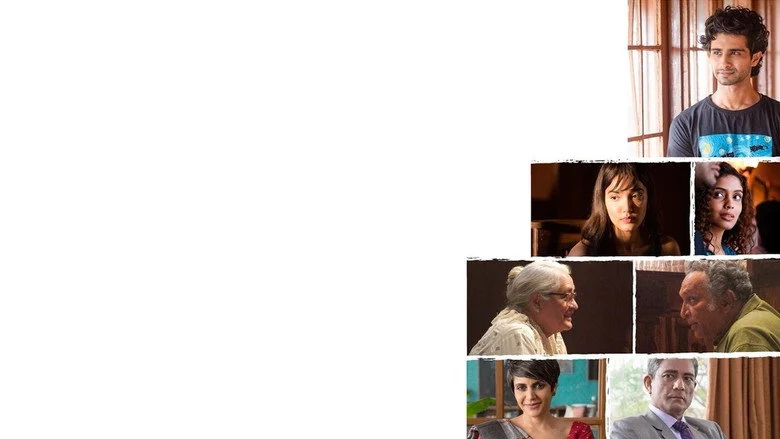
Adil Hussain, as part of the older-generation dynamic, brings his characteristic gravity to the estranged father role. His presence signals the film’s intent to treat the senior characters with as much interiority as the leads, and his silent reactions often say more than the dialogue.
Medha Shankr, as the female lead in the central relationship arc, balances Menon’s subdued energy with a warmer, more accessible emotional register. She functions as the film’s bridge between the generational poles, and her chemistry with Menon in the quieter scenes gives the romance subplot its credibility.
Mandira Bedi and Nafisa Ali complete the family network, each contributing to the intergenerational framing without overstaying their welcome. The casting of Nassar and a guest appearance by Gitanjali Rao further signal the production’s ambition to attract seasoned performers to a low-key, character-driven script.
For a film that opened to just ₹0.02 crore on day one and collected ₹0.169 crore in its first week, numbers Bollywood Hungama used to mark it a clear “Flop”, the ensemble is the film’s most bankable asset, even if the box office never agreed.
The Aaj Tak average critic rating of 3.5/5 suggests reviewers found more to admire than trade figures would indicate. Film Information called it “a beautifully made film which has its heart in the right place, ” while Times of India praised it as “a warm and thoughtful film about people learning to understand themselves.”
Those who appreciate quiet emotional storytelling will find Max, Min & Meowzaki a rewarding watch, provided they arrive with patience. Those expecting commercial pacing or high-concept spectacle should look elsewhere, this is a film that asks you to sit with discomfort, not escape it.
I found myself wishing the script trusted its actors even more, particularly in the sagging middle where the dialogue turns explanatory. The film is at its best when it lets the silences between the Mahadevans do the talking, and at its weakest when it tries to articulate what the performances already convey.
For class audiences and family-drama devotees, this is a gentle, healing-focused experience best enjoyed on a regular theatrical screen or OTT platform. It is not a film for everyone, but for those it touches, it lingers.
Max, Min & Meowzaki is a sincere, well-acted meditation on grief that never quite escapes its own restraint, a respectable 3/5 for its heart, though its pacing keeps it from greatness. For more such contemplative English-language dramas, browse our Hindi Drama reviews for deeper picks.
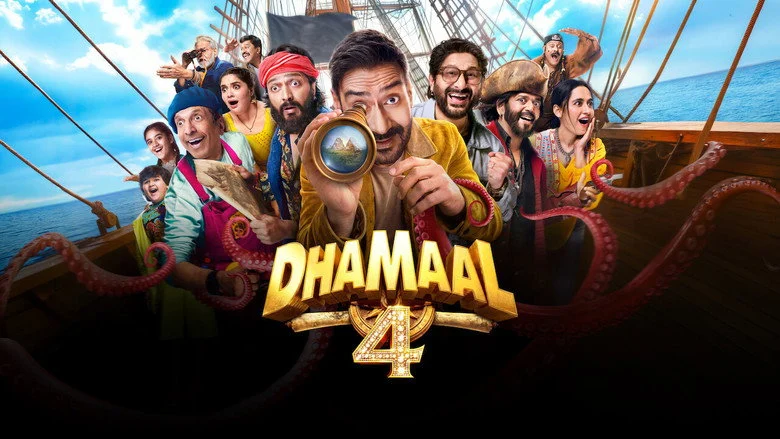
If the slow-burn family reconciliation here appeals to you, the chaotic ensemble energy of Dhamaal 4 review offers a wildly different take on family bonding.
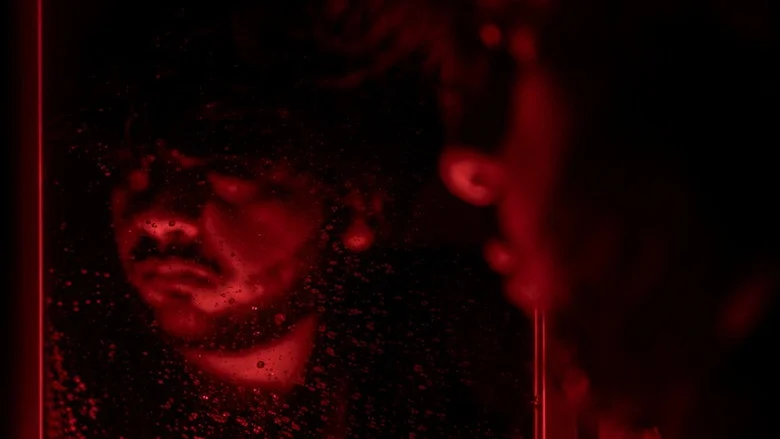
For another study in emotional restraint that struggles with its own pacing, Qaid verdict explores similar thematic terrain with a tighter genre frame.

Ankit Jaiswal is the Chief Author, covering Indian cinema and OTT releases with honest, no-filler criticism. An SEO strategist by background, he brings a research-driven approach to film writing, cutting through hype to tell you exactly what's worth your time.