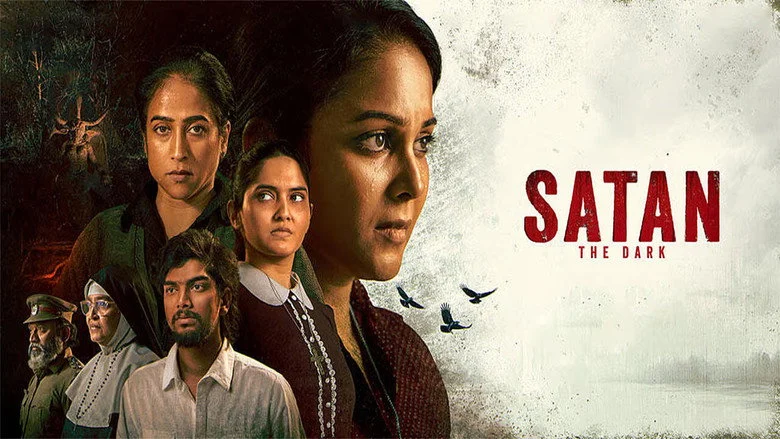
Satan – The Dark (2026): Opening A Ritual lands hard though the screenplay stays patchy


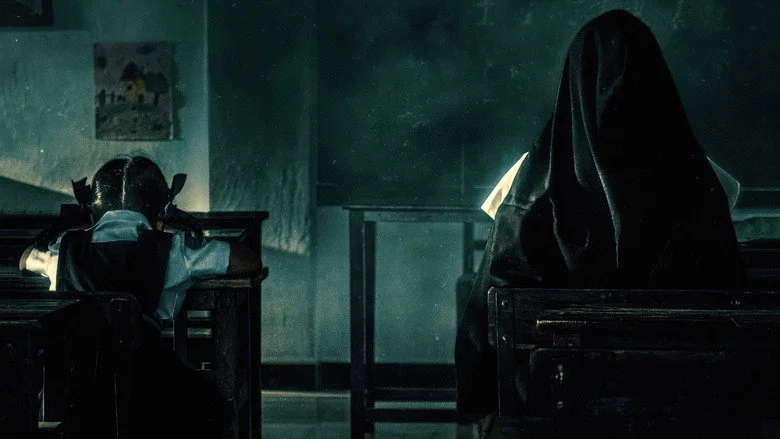
The East India Company era opens in Asthinapuram with a failed witchcraft ritual, and for a brief moment, director Manikandan Ramalingam has you convinced this Tamil horror will be something special. The village mythology is thick, the dread is atmospheric, and the premise of a generational curse feels ripe for exploration. Then the film jumps to the present day, and the promise slowly begins to curdle.
Fredrick John Anchors a Narrative That Keeps Slipping
F. J. / Fredrick John carries the present-day investigation with a restraint that suits the material. His character doesn’t overreact to the supernatural happenings, and that grounded approach gives the film a much-needed center.
But his performance can only do so much when the script around him starts losing steam. The emotional weight of saving Alisha rests on his shoulders, and he handles it competently, but the material never quite gives him a defining moment to elevate the proceedings.
The Direction: Strong Foundation, Shaky Structure
Ramalingam deserves credit for the two-timeline structure, which layers the curse with colonial history rather than settling for generic haunted-house tropes. The village setting and the backstory are the film’s strongest assets, and the opening ritual sequence demonstrates real myth-building ambition.
However, the screenplay leans too heavily on familiar horror devices as it progresses. The second half loses control, and the pacing becomes uneven, with critics noting that the narrative depends on loopholes in horror logic and scene transitions that don’t quite hold together.
Genre Execution: Where the Horror Falters
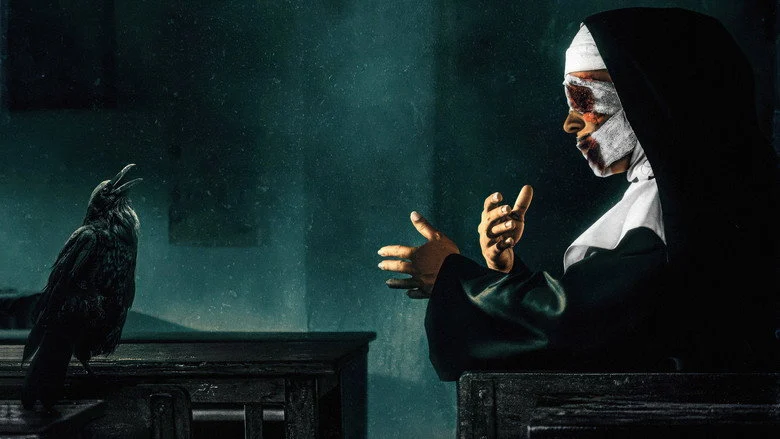
The curse-based horror engine works best when it relies on atmosphere and the consequences of past actions. The colonial-era ritual sequence is the film’s most effective moment, establishing a dread that the present-day sequences struggle to match. The backstory reveal approach is smart, but it can’t sustain the tension alone.
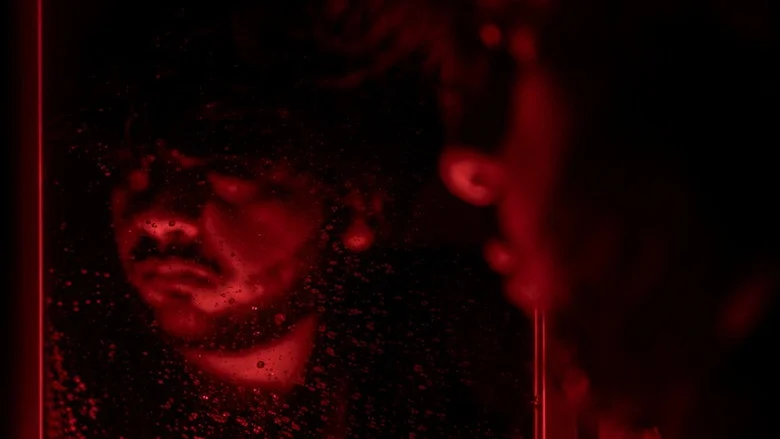
The present-day possession sequences featuring Mona Bedre’s disturbed character show how the curse manifests in behavior, yet the visual effects undermine the impact. Critics have pointed out that the graphics don’t match the film’s ambition, and the horror scenes lose their edge because of it.
The editing doesn’t help either. The first half builds the mythology effectively, but the second half drags, and the tension dissipates. Cinema Inbox gave it 2.8/5, while Dinamalar was harsher at 2/5, noting the film’s inability to maintain its early promise.
If you’re drawn to folklore-based Tamil horror, there’s plenty more to explore in our Tamil Thriller reviews.
Supporting Cast: Stakes Without Depth
Ayraa Palak’s Alisha is the emotional anchor of the curse narrative, and her role as the endangered woman gives the story its stakes. The possession arc demands a certain vulnerability, and she delivers it, even if the writing doesn’t give her much range beyond distress.
Chandini Tamilarasan and Sreeja Ravi fill out the present-day storyline with competent support, though neither gets a scene that stands out. Mona Bedre’s association with the supernatural transformation is intriguing, but the film doesn’t give her enough room to make the possession genuinely unsettling.
The Verdict: A Curse That Needed Better Craft
Nettv4u summed it up bluntly: “Despite having elements of a horror film, due to the loopholes in some horror scenes, graphics, and editing, the film lost its way.” The IMDb rating of 5.8/10 from 87 votes suggests audiences share that frustration, appreciating the story idea but rejecting the execution.
The film’s ambition, a generational curse rooted in colonial-era witchcraft, is genuinely interesting, and fans of slow-burn supernatural stories will find something to chew on. But the uneven VFX, the pacing issues, and the second-half drift make this a hard recommendation for anyone outside that niche.
Watch it if you’re a completionist for Tamil folk-horror, but go in with tempered expectations. The opening ritual is worth a look, but the curse never quite gets its hooks in. It’s a film that understands its mythology better than its craft, and that gap is where it loses its way.
Satan – The Dark is a promising premise trapped in a mediocre execution, earning a 2.5/5 from me, watch it only if the colonial-curse angle genuinely intrigues you.
For a tighter take on supernatural storytelling, check out Toaster review.
If you prefer horror that maintains its grip, Derby verdict offers a more controlled descent into darkness.
Ankit Jaiswal is the Chief Author, covering Indian cinema and OTT releases with honest, no-filler criticism. An SEO strategist by background, he brings a research-driven approach to film writing, cutting through hype to tell you exactly what's worth your time.