

Bhishmar (2026): Dhyan Sreenivasan s lands hard though the screenplay stays patchy



A vegetable vendor’s evening fractures the moment a stranger arrives asking for help rescuing his girlfriend. What unfolds across a single Palakkad night is less thriller than intimate drift, conversations layering emotional shades over madcap circumstance, the film choosing stillness where tension might have lived, and finding neither genuine laughter nor compelling urgency in the space between.
East Coast Vijayan’s debut romantic-comedy drama reaches for warmth in the collision of different loves meeting at once, yet lands instead in a narrative so loose it struggles to sustain either its humour or its heart. The risk the film takes, abandoning conventional structure for an unhurried, fragment-picking approach, exposes more vulnerability than vision.

Dhyan Sreenivasan’s Murugan Feels Lived-In but Underutilized
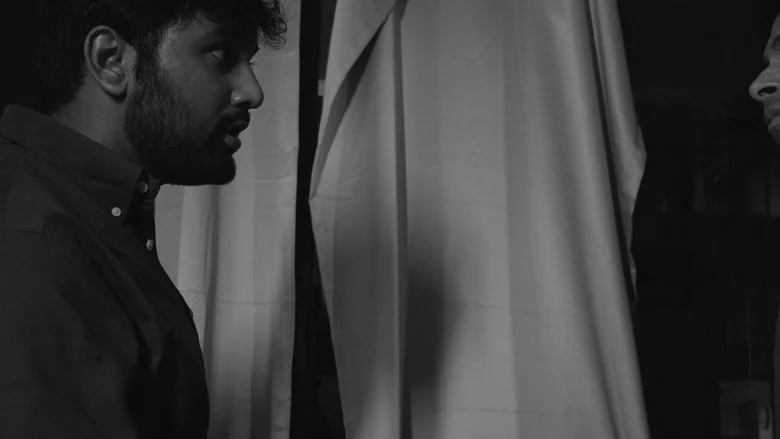
Dhyan brings natural ease to Murukan, a character whose routine disruption could anchor emotional stakes. Instead, the role sits comfortably but never deepens, present but not urgent, watchable but not memorable. The actor’s ease becomes both the film’s grace and its ceiling.

East Coast Vijayan Opts for Stillness Over Story Discipline
The director’s move toward intimate rhythm over tension-driven structure is defensible as artistic choice, yet the execution abandons narrative shape entirely. The screenplay drifts across a single night in a deliberately unhurried fashion, picking up fragments without fully assembling them into either coherent comedy or earned drama. Softness becomes indifference.
Madcap Comedy Stripped of Actual Laughter
The film attempts humour in scattered moments, a vegetable vendor pulled into sudden urgency, conversations that should spark comedy through circumstance alone. Yet the writing lands no genuine laughs, relying on outdated comedic instincts that feel weathered even on first viewing. The madcap premise never finds its rhythm.
Where tension could bloom from the rescue mission itself, Vijayan chooses to dissolve urgency into gentle talk. One-night structures thrive on escalation or revelation; this one settles into aimless conversation. The tonal choice, away from typical thriller mechanics, might have worked had the emotional threads actually connected.
Ratheesh Ram’s cinematography captures calm effectively, a technically simple and pleasing visual palette that mirrors the film’s deliberate slowness. Ranjin Raj’s music blends quietly into tone, though the songs themselves feel dated, undercutting whatever contemporary emotional register the premise promises. The craft is competent; the story refuses to justify it.
Vishnu Unnikrishnan’s Aravindan Arrives Without Development
Unnikrishnan plays the stranger whose plea sets everything in motion, yet Aravindan remains underdeveloped, a narrative engine that never becomes a character. His presence adds intrigue momentarily, but the script never builds him into anything substantial. Divya Pillai as Rasiya leaves behind a sincere emotional note in her brief presence, the only cast member who reads as having interior life.
A Film That Tests Patience Rather Than Engagement
No censorship or production controversies surrounded the release, but audience response gravitated toward the core creative failure: the film is outdated in conception, lazy in execution, and disappointing in ambition. Viewers found the humour hollow, the script undercooked, and Dhyan’s choice of material troubling given stronger work available to him. The movie doesn’t offend, it simply doesn’t connect.
I found myself respecting the formal risk, choosing an intimate, unhurried night-time structure rather than conventional heroics, more than the actual film itself. Ambition without discipline rarely yields worthwhile cinema.
Skip this unless you’re committed to following every Dhyan Sreenivasan choice regardless of quality. The film’s indecision about tone and target makes it uncomfortable viewing even for patient audiences.
Malayalam romantic-comedy dramas attempting similar formal gambles deserve better execution. Explore Malayalam Drama reviews for films that earn their structural risks.
Vijayan’s willingness to abandon thriller conventions recalls other Malayalam directors courting similar structural danger. Maragatha Malai review pursues comparable tonal disorientation with equally mixed results.
Bhishmar (2026) is a misguided romantic-comedy that confuses indecision for artistry, worth skipping unless you’re researching how formal risk without narrative discipline collapses into unfocused cinema, rating it a generous 2/5 for technical competence alone.
Both Bhishmar and Bhooth Bangla verdict demonstrate how regional cinema occasionally prioritizes audacious form over functional storytelling.

Ankit Jaiswal is the Chief Author, covering Indian cinema and OTT releases with honest, no-filler criticism. An SEO strategist by background, he brings a research-driven approach to film writing, cutting through hype to tell you exactly what's worth your time.