
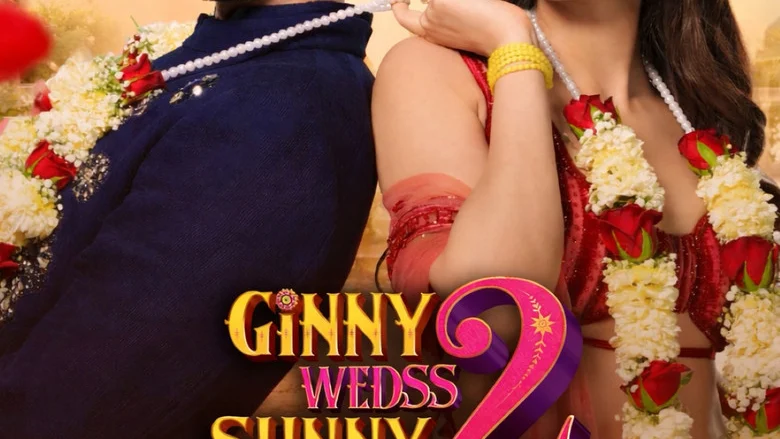
Ginny Wedss Sunny 2 (2026): Avinash Tiwary carries romantic comedy sequel with understated charm



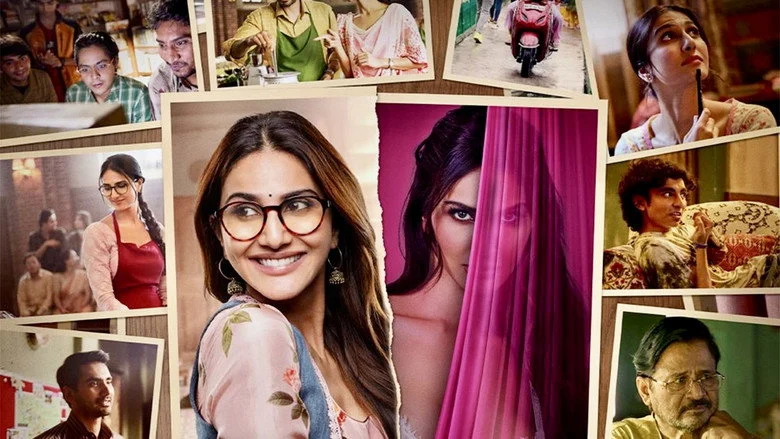
Avinash Tiwary slouches into frame as Sunny, a man navigating the peculiar awkwardness of matrimony with the kind of deadpan resignation that suggests he’s already lost the argument before it began. Medha Shankr’s Ginny counters with her own brand of domestic exasperation, and what emerges is less fireworks than a prolonged, affectionate stalemate between two people who’ve chosen each other despite, or because of, their fundamental incompatibility.
Director Prasshant Jha inherits the franchise established in 2020 and opts for the safer road: a romantic comedy sequel that understands its audience wants recognition over revelation. Whether that calculation proves wise depends entirely on your tolerance for well-worn marital comedy beats rendered with professional competence but limited invention.

Tiwary’s performance carries weight the script doesn’t always deserve
Tiwary doesn’t chase laughs, he lets them find him through subtle facial work and a refusal to oversell the absurdity of his character’s domestic predicaments. This restraint is precisely what separates a merely functional rom-com performance from one worth watching. His Sunny feels like a man genuinely caught between desire and disappointment, which lends unexpected texture to what could have been stock material.
Shankr holds her own opposite him, though the writing offers her less terrain to explore. Their chemistry relies on a kind of worn intimacy rather than the spark of early romance, which is honest to the film’s sequelitis but also its core limitation.
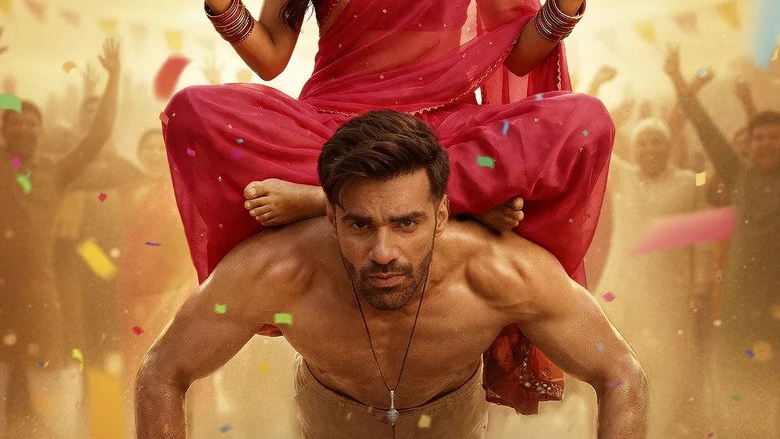
Comedy and romance coalesce through rhythm rather than revelation
The primary strength of Jha’s approach lies in pacing, scenes move with the efficiency of a director who trusts his audience to complete jokes without extended explanation. Domestic comedy lives or dies by timing, and there’s enough awareness of comedic structure here to suggest Jha understands where the laughs should land.
Yet the screenplay treats its own romantic premise as settled business rather than contested terrain. Marriage, as presented here, is accepted fact rather than dramatic crucible. This works when the comedy compensates, but sequences designed to manufacture emotional stakes feel obligatory rather than earned.
Supporting cast members like Lillete Dubey and Govind Namdeo anchor family scenes with the kind of naturalistic ease that suggests they’ve played these roles in living rooms across Hindi cinema for decades. Their presence provides ballast, though the material rarely surprises them or gives them much beyond functional exposition work.
Lillete Dubey’s maternal warmth carries scenes that otherwise lack friction
Dubey operates as the film’s emotional anchor, her presence signaling that underneath the marital bickering lies genuine family attachment. She doesn’t overplay the sentimentality, which would undercut the comedy, but her every scene suggests a character with actual interiority beyond plot service.
Govind Namdeo’s weathered pragmatism provides a counterpoint, his Sunny’s father is the man content with answers that previous generations accepted, which places subtle generational tension beneath domestic routines without making it heavy-handed.
The soundtrack serves decoration rather than emotional punctuation
Tracks like “Chhaap Tilak” from Heer and Paradox, alongside Altamash Faridi’s “Aye Khudaa, ” function as expected intervals in the romantic comedy template. They’re competent, cinematographer Archit Patel frames them with technical proficiency, but they don’t reshape the emotional contours of what surrounds them.
The film’s real issue isn’t technical execution but narrative ambition. A sequel that doesn’t interrogate why we should care about these characters again beyond nostalgia for the original property is fighting with one hand tied.
Romantic comedies about married couples occupy precarious terrain, American cinema abandoned the subgenre years ago, understanding that post-wedding stories demand either deeper character work or sharper satirical teeth than mainstream audiences typically tolerate. Ginny Weds Sunny 2 tries to split the difference and lands closer to competent mimicry than authentic exploration.
Watch this if you’re returning to the franchise for completion or seek mild domestic comedy with no ideological challenge. The film’s greatest crime isn’t failure, it’s the absence of ambition to risk that failure might represent.
For those considering a rewatch of how Hindi romantic comedy handles matrimonial storytelling, Hindi Romance reviews offer broader context on the genre’s recurring patterns.
Madhuvidhu, another recent domestic comedy, similarly wrestles with the challenge of mining humor from marital routines while maintaining emotional authenticity, Madhuvidhu review offers a comparative look at how differently filmmakers approach the same thematic territory.
Ginny Weds Sunny 2 is competent sequel-making that mistakes familiarity for comfort, and Tiwary’s grounded performance can’t quite elevate material that’s already surrendered to formula, a 2.5 out of 5 affair that works best as background viewing.
Director reinvention and performance-led sequences demand the kind of narrative stakes this film never attempts to build; Lee Cronin verdict show what happens when formal ambition backs performance work.

Ankit Jaiswal is the Chief Author, covering Indian cinema and OTT releases with honest, no-filler criticism. An SEO strategist by background, he brings a research-driven approach to film writing, cutting through hype to tell you exactly what's worth your time.