

Kaalidas 2 (2026): Twists Without Substance, Bharath Anchors Hollow Thriller



New Year’s Eve dissolves into dread when a four-year-old vanishes from an apartment complex, and Inspector Kaalidas descends into the residents’ fractured lives to find her. What follows is a chain of suspicious deaths, a drowning, a terrace fall, each adding weight to a conspiracy that spirals inward, demanding Kaalidas to navigate internal police friction and psychological warfare with a junior officer who questions his every move.
Sri Senthil’s sequel understands the architecture of suspense but mistakes structural momentum for emotional truth, leaving Kaalidas 2 feeling like a well-assembled machine running on empty fuel.

Bharath’s Investigator Performs Duty But Not Conviction
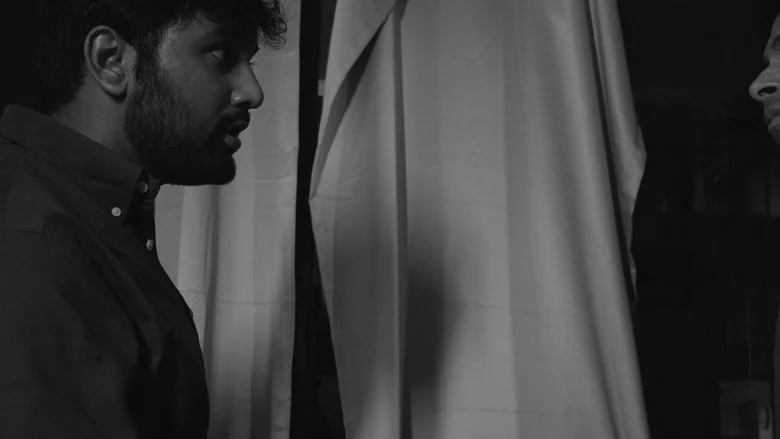
Bharath shoulders the film as Kaalidas, navigating the missing child case with professional competence through apartment interrogations and escalating murder scenes. His face registers frustration during clashes with DSP Vaishnavi, building tension through restraint rather than explosion, yet the character never transcends the procedural demands placed on him. Personal struggles emerge only as plot machinery, not as genuine vulnerability bleeding into his investigation.
Sri Senthil Builds Twists but Forgets Emotional Scaffolding
Direction strength lies in layered narrative construction, multiple plot threads weave together with psychological elements that hint at buried manipulation beneath surface chaos. The acute focus on structure over emotional center becomes the film’s critical flaw; each twist arrives as clockwork rather than consequence, leaving the audience observing rather than invested. Screenplay remains linear despite complexity, anchored by police procedural mechanics and internal politics, yet lacking the resonance that separates mechanics from meaning.
Crime Thriller Mechanics Execute but Never Grip
The film understands roller-coaster principle, multiple bends and twists designed to maintain thrills through accumulating mystery. Investigation of apartment residents builds a functional suspect network, and the chain of murders evolving from the missing child case demonstrates structural awareness. First-half pacing grips through suspense buildup, allowing the procedural elements and internal police friction to establish genuine tension.
Second-half execution falters when misleading clues slow momentum without deepening psychological battle. The climax ties personal emotional collision to crimes, revealing a hidden manipulator pulling invisible strings, yet the revelation lands as puzzle solution rather than human reckoning. Police procedural conventions hold the narrative together while psychological depth remains merely suggested, never activated.
Subtle vigilantism hints peek through the investigation’s surface, suggesting thematic ambition beyond standard crime-solving, but the film retreats into formula before exploring these dimensions seriously. Technical execution, cinematography by Suresh Bala, score by Sam C.S., remains competent without leaving imprint. Editing choices in the second half actively undermine pacing rather than enhance it.
Bhavani Sre and Ajay Karthi Navigate Thinner Roles
DSP Vaishnavi, portrayed by Bhavani Sre as a fresh IPS officer, clashes with Kaalidas throughout, injecting institutional tension but existing primarily as narrative obstacle rather than three-dimensional presence. Ajay Karthi emerges as hidden manipulator, initially presented as prime suspect Steve before the twist reveals his deeper role in orchestrating events. Sangita Madhavan Nair, answering questions with practiced caution as the apartment complex secretary, signals suspicion through restraint alone.
Hollow Construction Masquerades as Complexity
Multiple twists maintain surface engagement despite predictability settling in quickly; New Indian Express rated it 2/5, identifying precisely this disconnect between structural ambition and emotional payoff. Times of India’s 2.5/5 score pointed toward flat register lacking momentum accumulation, and I found myself agreeing, the film assembles its pieces methodically without ever building toward something that feels necessary rather than inevitable. No lasting impression survives the credits despite technically sound construction.
Tamil crime thriller fans seeking grounded investigative drama without emotional demand might find sufficient distraction here, particularly during the first half’s suspense buildup. However, viewers expecting psychological depth, character transformation, or thematic resonance should bypass this one entirely; the hollow core betrays structural promise at every emotional juncture.
Watch in regular theatre for the intended suspense architecture, but approach with tempered expectations, Kaalidas 2 executes competently without ever justifying its own existence.
Kaalidas 2 remains a technically proficient thriller that mistakes twists for substance, earning its modest 2/5 rating by prioritizing puzzle over pathos.
Crime thriller enthusiasts may find echoes of similar grounded investigations in Carmeni Selvam review that balance procedural mechanics with character fracture.
The structural rigidity here mirrors the craft-forward approach seen in Band Melam verdict that privilege narrative architecture over emotional investment.

Ankit Jaiswal is the Chief Author, covering Indian cinema and OTT releases with honest, no-filler criticism. An SEO strategist by background, he brings a research-driven approach to film writing, cutting through hype to tell you exactly what's worth your time.