
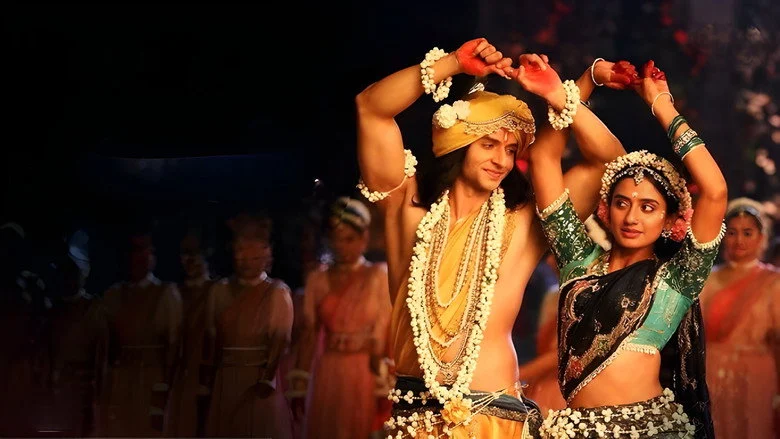
Krishnavataram Part 1: The Heart (Hridayam) (2026): Siddharth Gupta Carries keeps the film tense but uneven overall



Krishna abandons Vrindavan’s flute-kissed fields and watches Radha fade into memory as duty calls him toward Dwarka’s marble palaces, a separation that reverberates through 150 minutes of devotional yearning, romantic entanglement, and the slow machinery of dharma grinding into motion. Hardik Gajjar’s ambitious mythological romance trades intimate devotion for grand narrative sprawl, and the tension between these impulses leaves the film reaching for something it cannot quite grasp.
Times of India rated this 3.5 out of 5, and that measured score reflects a film caught between admirable intention and execution strain. The verdict here matters: *Krishnavataram Part 1* has the visual grandeur and emotional architecture to move devotional audiences, but its refusal to edit aggressively works against its own storytelling urgency.

Siddharth Gupta Carries the Emotional Arc from Vrindavan to Kurukshetra
Gupta holds the center of this sprawling narrative without ever dominating it, a restraint that suits Krishna’s mythological weight. He moves credibly through the separation from Radha, maintaining both the romantic vulnerability and the dharmic weight that the story demands. By the Kurukshetra transition, his performance has already earned the spiritual ballast the film needs.
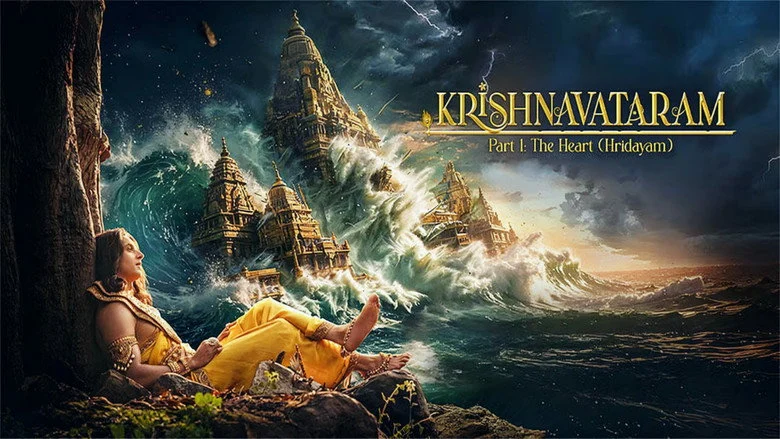
Gajjar’s Direction Stages Mythological Tableaux but Sacrifices Pacing
The visual staging is undeniably commanding, lush period-fantasy imagery and devotional set-pieces that recall the grandeur of temple sculpture. Yet the director’s attempt to encompass Krishna’s entire life journey from Vrindavan through the Mahabharata era within one film creates a compression problem that no amount of visual scale can solve. The middle section, where Dwarka, Rukmini, and Sathyabhama’s jealousy should deepen, instead accelerates toward plot mechanics rather than emotional resolution.
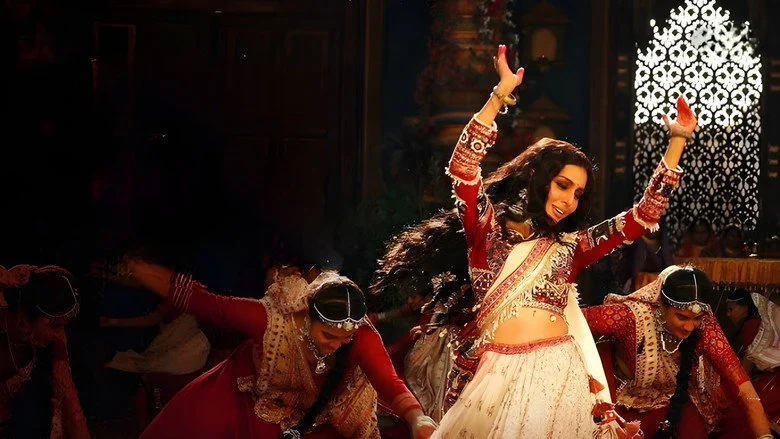
Devotional Romance Struggles When Compressed Across Too Many Relationships
The film frames love, duty, and devotion as overlapping forces in Krishna’s life, a thematic premise that works best when it breathes. The separation from Radha establishes the emotional-devotional pivot effectively, using loss to communicate Krishna’s movement toward larger dharmic purpose. But the narrative’s linear structure cannot sustain this insight across multiple women and multiple eras without diluting each relationship’s weight.
Sathyabhama’s jealousy and her response to Krishna’s marriage to Rukmini carry the film’s strongest relational tension, and critics identified this perspective as a distinctive angle within devotional cinema. The problem is that the screenplay reaches this material already burdened by too much exposition and cannot afford the scenes needed to let her emotional arc breathe.
The transition toward Kurukshetra reinforces the dharmic dimension, Krishna moving from lover to warrior, from Dwarka’s emotional complexity toward duty’s stark clarity. It is a genuinely strong thematic gesture, yet it arrives too quickly, as though the film has already spent its narrative capital and must now rush toward the finish.
Devotional cinema across multiple languages benefits from family audiences exploring Hindi Devotional reviews and broader mythological storytelling traditions.
Sanskruti Jayana and Sushmitha Bhat Ground the Relational Drama
Jayana’s casting as Sathyabhama signals the film’s desire to center female agency within the devotional framework, her jealousy is not weakness but a legitimate emotional response to Krishna’s divided heart. Bhat’s Radha exists largely in memory and separation, yet she anchors the narrative’s emotional origin point and makes Krishna’s later choices carry genuine loss.
Devotional Ambition Outpaces the Runtime’s Capacity to Deliver It
The film asks audiences to accept a U certificate and family accessibility alongside mature romantic and emotional complexity. This works sometimes, particularly in the Vrindavan sections. But by the time Kurukshetra arrives, the compression has created a pacing gap that undermines both the devotional reverence and the romantic depth. Viewers expecting tightly plotted storytelling will find the structure frustrating; those seeking sustained emotional excavation will feel short-changed by how quickly the narrative rushes past its most interesting material.
The grand visuals and scale, the devotional framing, and Gupta’s grounded performance deserve a film that has room to explore them. *Krishnavataram Part 1* contains the seeds of something genuinely moving, but it plants too many seeds in soil it cannot adequately till. Watch it for the visual ambition and the devotional tone if mythological romance is your anchor, but prepare yourself for the frustration of a film that mistakes scope for structure.
The relationship-centered interpretation of Krishna’s life that resonates in Paavakoothu review shares this film’s desire to humanize myth through emotional specificity.
*Krishnavataram Part 1: The Heart* is a film for patient, devotionally-inclined audiences willing to forgive narrative compression in exchange for scale and intention, a 3.5/5 gamble that occasionally pays off but more often leaves you wanting deeper access to its own best ideas.
The emotional restraint that anchors Gupta’s performance mirrors the understated charm strategy of Ginny Wedss verdict, where holding back becomes its own form of storytelling power.

Ankit Jaiswal is the Chief Author, covering Indian cinema and OTT releases with honest, no-filler criticism. An SEO strategist by background, he brings a research-driven approach to film writing, cutting through hype to tell you exactly what's worth your time.