
Main Vaapas Aaunga (2026): A Poignant but Flawed Return to Imtiaz Ali’s Signature Romance



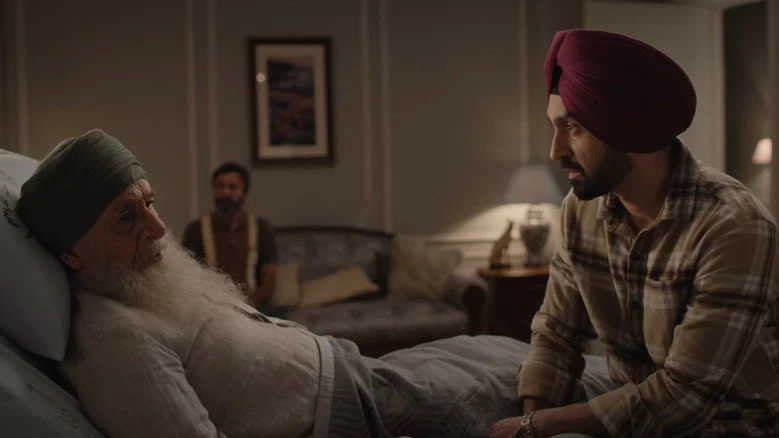
The film opens with Ishar Singh Grewal (Naseeruddin Shah), a 95-year-old man ravaged by dementia and a recent stroke, muttering the words “Main vaapas aaunga” on his deathbed in India. His grandson Nirvair (Diljit Dosanjh) tries to piece together the fragmented ramblings, but the non-linear structure leaves the first 30 minutes feeling like a puzzle without a guide.
For a seasoned cinephile, it’s an ambitious gamble that mostly misfires in execution.

Diljit Dosanjh and Naseeruddin Shah: A Caregiver’s Burden vs. An Elder’s Lament
Diljit Dosanjh delivers as Nirvair, the grandson caught between frustration and tenderness. His performance in the scene where he confronts Afsana’s family in Pakistan and learns of her death is the emotional anchor of the present-day timeline.
Naseeruddin Shah, however, is the film’s beating heart. He masterfully captures the fragility of dementia, shifting between lucid pain and confused silence, without ever losing the character’s core desperation. The scene where he learns the truth about Afsana and accepts his fate is devastating, yet underplayed with remarkable restraint.
The Non-Linear Screenplay and Imtiaz Ali’s Directorial Balance
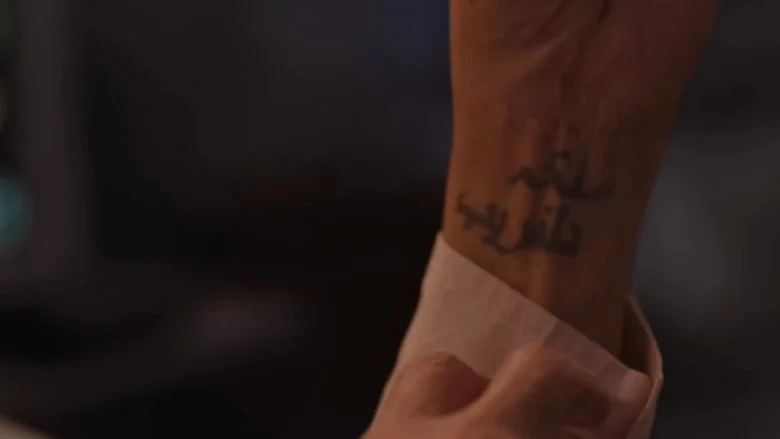
Imtiaz Ali returns to his signature old-school romance storytelling, but the screenplay, co-written with Nayanika Mahtani, often trips over its own timeline. The transition between the present-day dementia scenes and the 1947 flashbacks is abrupt, leaving viewers disoriented rather than immersed.
The strength lies in the authentic period recreation of undivided Punjab, with warm golden tones contrasting the muted coldness of the present. The weakness is the pacing in the second half, which drags during Nirvair’s investigation sequence, a stretch that feels more like bureaucratic travelogue than emotional excavation.
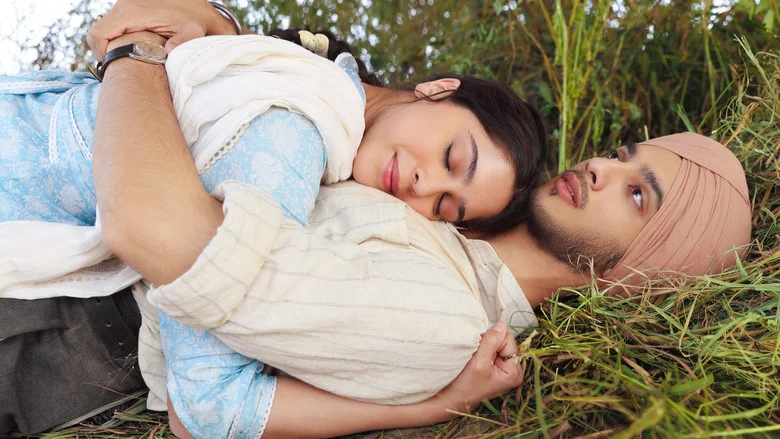
The 1947 Separation Scene: Crafting Tragic Romance Through Chaos
The most praised scene, the separation of Young Ishar and Afsana during the Partition riots, is where Imtiaz Ali’s direction rises to its peak. The visual intensity of the migration, combined with the intimate framing of their final embrace, creates a visceral sense of loss that transcends the screen.
AR Rahman’s background score here is effective, building tension without overwhelming the raw visual carnage. The integration of music bridges the emotional gap between the idyllic past and the violent present, though the song placement in the second half feels slightly jarring.
What the genre trades in emotional depth, it sacrifices in narrative cohesion. The flashback-heavy structure works beautifully for the romantic foundation but makes the present-day investigation feel like a procedural footnote rather than a dramatic climax.
Vedang Raina, Sharvari Wagh, and a Supporting Cast That Deserves More
Vedang Raina captures the youthful passion and innocence of pre-Partition romance with sincerity. His chemistry with Sharvari Wagh in their first meeting scene is the film’s most genuine moment, highlighting the tragic cost of displacement.
Sharvari Wagh as Jiya/Afsana brings a quiet resilience that makes her character’s 78-year wait feel palpable. Sayani Gupta, Rajat Kapoor, and Sanjay Suri appear in supporting roles but lack the development to leave a lasting impression, a missed opportunity given the talent involved.
Audience Reception: A Hit That Polarizes
The film holds a 92% Rotten Tomatoes critic score, with Rotten Tomatoes calling it “a story of love and longing.” Audience sentiment is 85% positive, praising the Partition separation scene and the poignant ending. I find the split entirely justified, the emotional payoff is earned, but the first hour demands patience most casual viewers won’t offer.
Common complaints include the long runtime and difficulty following the dementia-heavy opening, which aligns with my own experience of the film’s structural wobbles.
For those curious about similar narrative experiments, browse more Hindi Drama reviews that balance historical weight with emotional storytelling.
The Ending and Nirvair’s Film: Unanswered Questions
The climax sees Ishar learning of Afsana’s death, accepting his fate, and passing away, intercut with Nirvair beginning to create a film in their honor. The mechanism of how Nirvair makes this leap is left unexplained, leaving an incomplete resolution that frustrates more than it poeticizes.
If the intent was to mirror the fragmented memories of dementia, it works on a thematic level. On a narrative level, it feels like a shortcut to sentimentality.
Should you watch it? If you have the patience for a slow-burn romantic tragedy that earns its tears despite its structural flaws, yes. If you prefer tight, linear storytelling or fast-paced drama, skip. The best format is a regular screen, where the emotional intimacy of the performances stays center stage without IMAX spectacle overwhelming them.
Main Vaapas Aaunga is a flawed but heartfelt return for Imtiaz Ali, and I’d place it at a solid 3.5 out of 5, worth the watch for Naseeruddin Shah’s performance alone.
Naseeruddin Shah delivers a parallel performance of elderly fragility in the Naina verdict.

Ankit Jaiswal is the Chief Author, covering Indian cinema and OTT releases with honest, no-filler criticism. An SEO strategist by background, he brings a research-driven approach to film writing, cutting through hype to tell you exactly what's worth your time.