
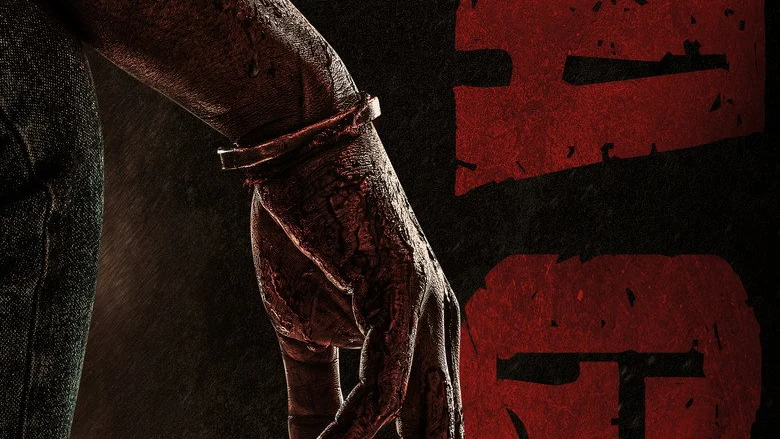
Rage (2026): A Tamil Thriller That Bites Harder Than It Barks



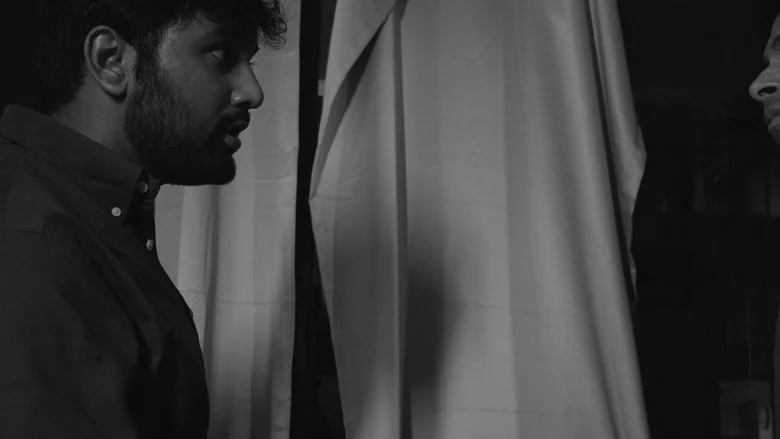
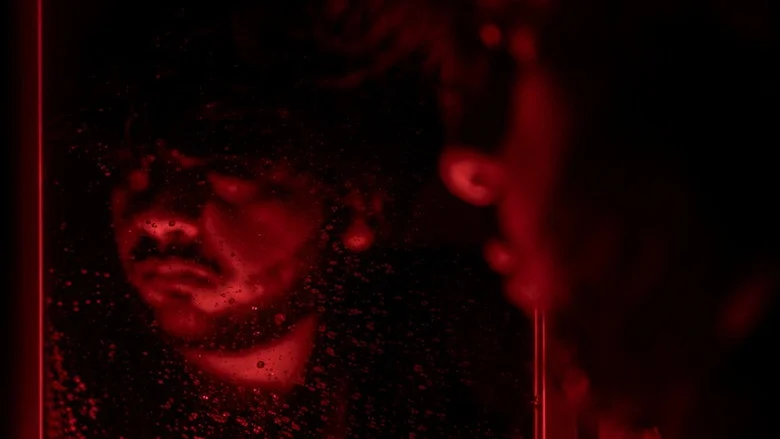
The film opens on Shan M’s Anbu, sweat-soaked and cornered, his knuckles white against a rusted pipe. You can almost smell the stale air of the Chennai by-lane he’s trapped in, the camera holding his trembling frame just long enough to make you uncomfortable.
This is the promise of Sivanesan M’s Rage, a thriller that wants to live in the gut, not the head. Whether it sustains that visceral high for its full runtime is another question entirely, but that opening frame is a warning shot fired clean.

Shan M and the Burden of Carrying a One-Note Rage
Shan M commits to Anbu with a physicality that suggests he studied the role in a mirror, not a method acting class. His eyes are wide, his jaw is set, and he delivers the simmering anger required of the script without ever tipping into parody.
But the writing gives him only one shade to paint with. Anbu’s arc is a straight line from fury to fury, and while Shan M’s intensity never wavers, you start to wish the screenplay would hand him a quieter note to play.
The Genre Core: A Thriller That Throttles, Then Stalls
The middle stretch of Rage is where Sivanesan M’s craft shines brightest. There’s a chase sequence through a fish market that’s choreographed with a brutal, slippery realism, the camera stays low, the edits are sharp, and the wet concrete makes every footstep feel like a potential disaster. It’s the kind of setpiece that reminds you why Tamil thrillers have a dedicated fanbase.
However, the screenplay’s dependence on convenient coincidences starts to fray the tension. Characters appear exactly when the plot needs them, and a crucial reveal in the second hour relies on a villain monologue that explains too much, killing the mystery it had worked so hard to build.
The final act tries to reclaim the momentum with a confrontation that’s staged well, but by then, the logical cracks have widened. The thriller engine sputters, it never dies, but it coughs enough to make you check your watch.
If you’re in the mood for more films that operate in this tense, grounded space, browse through our Tamil Thriller reviews for similar picks.
Saravanan and the Supporting Web of Suspicion
Saravanan’s Arivazhagan is the film’s quiet anchor, a cop who seems perpetually tired of the city’s violence. He doesn’t get a big action beat, but his weary interrogation scene with Anbu is the closest Rage comes to genuine psychological tension.
Munishkanth, as Ravi, provides the comic relief that Tamil thrillers often insist upon, but his timing is sharp enough to land without derailing the mood. Ramachandran Durairaj’s Pandi, meanwhile, is a menacing presence whose silence speaks louder than the dialogue around him.
Reception and the Politics of Violence
There’s no major controversy swirling around Rage, which is almost refreshing in an era where every violent film invites a moral panic. The discourse instead has settled on the film’s craft, specifically, whether its gritty realism excuses its narrative shortcuts.
Audience chatter on social media has been split, with many praising the raw energy of the setpieces while complaining about the predictable third act. The film’s box office performance will likely hinge on whether word-of-mouth focuses on that thrilling middle hour or the underwhelming resolution.
Sivanesan M’s direction shows a clear eye for staging chaos, but his screenplay lacks the patience to let the mystery breathe. I found myself wishing he trusted his actors and his camera more, and his plot contrivances less.
For a debut thriller, Rage has enough bite to warrant a watch, especially if you’re a fan of the genre’s grittier corners. Catch it on the big screen if you can, the sound design and the chase sequences demand it.
Rage is a promising, flawed debut that earns a solid 2.5 out of 5 for its craft, even if its story never quite matches its ambition.
If you appreciated the raw physicality of Shan M’s performance, you might find a similar energy in Satan Dark review, which shares this film’s knack for visceral openings.
For another take on stunt-heavy action that struggles with its script, check out Toaster verdict.

Ankit Jaiswal is the Chief Author, covering Indian cinema and OTT releases with honest, no-filler criticism. An SEO strategist by background, he brings a research-driven approach to film writing, cutting through hype to tell you exactly what's worth your time.