
Raakaasa (2026): Sangeeth Shobhan’s Cursed Fort Gamble Stumbles in Weak First Half



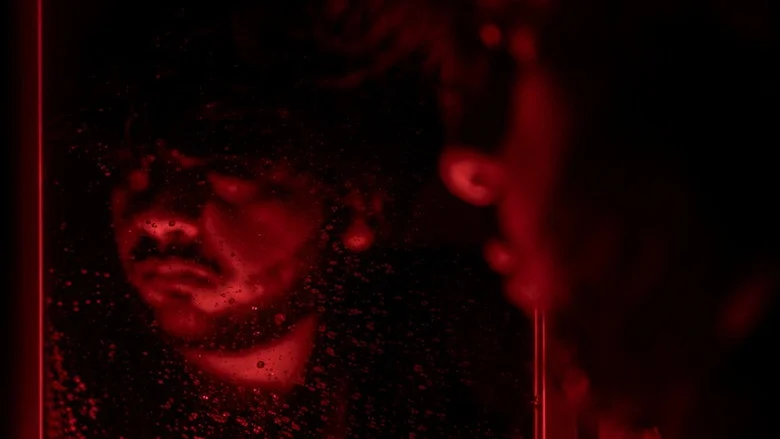
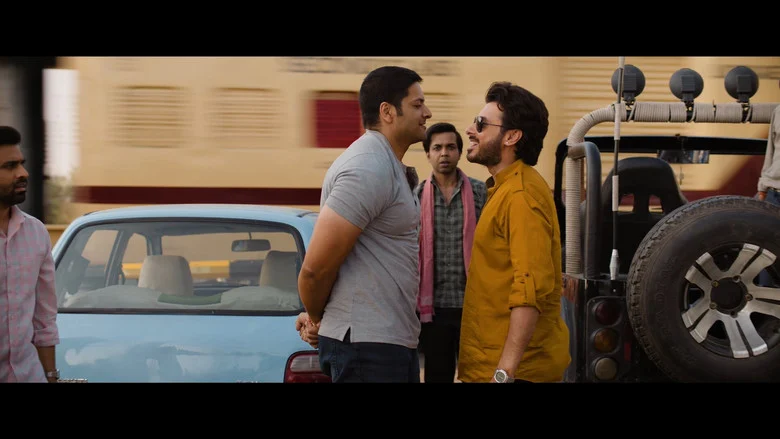
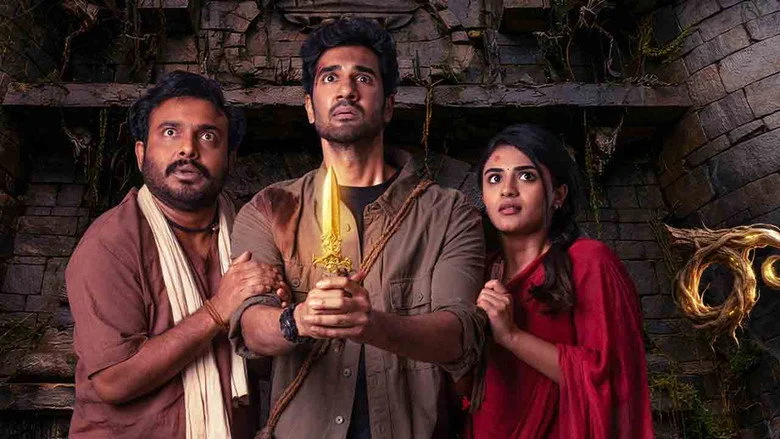
An NRI stumbles drunk into a deserted fort after his childhood love’s wedding crumbles, waking to discover the village fears the ground beneath him. What begins as romantic comedy collides headlong with supernatural dread, leaving Sangeeth Shobhan’s cheerful Eera Babu tangled in ancient darkness he never invited.
Manasa Sharma’s directorial debut reaches for intelligent territory, blending mythology, comedy, and thriller mechanics without resorting to flashy ghost theatrics. Yet the film betrays its own ambition by settling into safe popcorn entertainment when it promised something far stranger.

Sangeeth Shobhan’s Charm Cannot Carry a Stumbling First Act
Shobhan embodies the cheerful NRI archetype with enough likability to anchor the romantic setup, yet the screenplay gives him little to work with beyond the initial setup of returning home and discovering his wedding plans demolished. His character’s pivot from lovesick romantic to reluctant supernatural participant should deepen the performance, but weak first-half execution undercuts any momentum he builds. By the time the supernatural elements surface, the audience has already checked out.
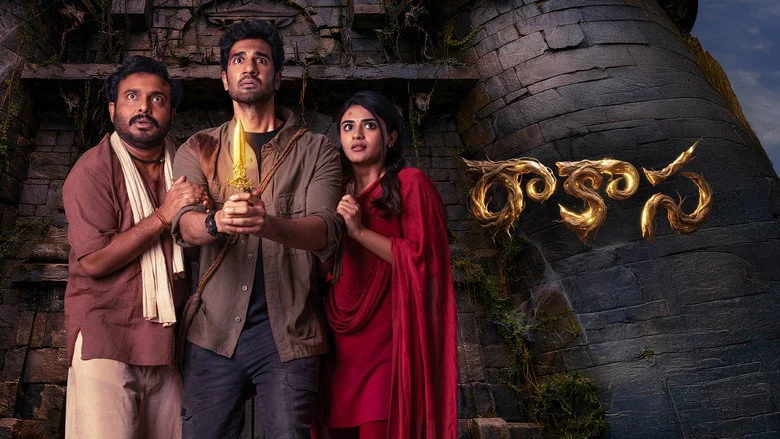
Manasa Sharma Avoids Cliché But Lacks Execution Discipline
The director’s instinct to build tension through dialogue rather than visual spectacle signals smart thinking for a debut. However, inconsistent visual quality throughout the runtime sabotages that intelligence, the film looks uncertain about what it wants to be, oscillating between registers without committing to either. Sharma and co-writer Mahesh Uppala construct a plot that promises intriguing theatrical payoff, yet deliver something far more mundane.
The Curse Shifts Genre Only When It’s Too Late
The film’s structure from romantic comedy into supernatural thriller should function as its backbone. Instead, the first half’s weak execution leaves viewers unprepared for the second half’s tonal shift toward genuine supernatural thriller territory. The inciting incident, Eera Babu’s night at the cursed fort, carries potential weight that never materializes.
Where the film attempts to weave atyasa (greed) and prateekaram (revenge) into its mythology, the execution feels restrained rather than probing. This is a director choosing safe passages when the material demanded commitment to darker, stranger territory. The blend of fantasy and humor could have elevated proceedings into something memorable; instead, it becomes formula masquerading as invention.
The second half does firm up its supernatural thriller focus, suggesting Sharma found better footing once abandoning romantic comedy trappings. But arriving forty minutes late to your own film’s party only compounds the damage already done. Times of India and Gulte both settled on 2.5/5 ratings, capturing the film’s fundamental failure to justify its conceptual promise.
Getup Srinu and Tanikella Bharani Navigate Thin Material
Supporting cast members including Getup Srinu, Tanikella Bharani, Brahmaji, and Ashish Vidyarthi carry the weight of elevating underdeveloped scenes through performance alone. Vennela Kishore’s presence signals an attempt to inject comedic texture, though the screenplay doesn’t provide sufficient scaffolding for any supporting player to distinguish themselves meaningfully.
A Promising Premise Undone by Risk-Averse Filmmaking
The village curse-lore mythology and greed-revenge thematic core suggested something genuinely compelling. What emerged instead was a film content being a competent entertainer rather than the intriguing theatrical experience its marketing promised. I found myself respecting the decision to avoid flashy supernatural aesthetics while resenting how little substance replaced them.
Raakaasa needed boldness in execution to match its conceptual ambition. Instead, it offered a safely paced, visually uncertain, structurally uneven first feature that settles for popcorn when it promised something stranger. The mythology is there. The cast is capable. The premise carries genuine potential. Sharma simply didn’t marshal these elements into something that justifies the runtime or the narrative promise made in Act One.
Wait for Netflix if mythology-comedy blends intrigue you, the theatrical release doesn’t warrant the commitment. This is a film that needed sharper discipline, bolder visual choices, and a far more confident screenplay to transcend its safe instincts.
Raakaasa arrives as a missed opportunity wrapped in competent filmmaking, earning a middling 2.5/5 for its failure to commit to either its romantic or supernatural identity.
For similar directorial debuts juggling multiple genres with uneven success, Bhishmar review offer instructive parallels.
Sharma’s approach to mythology mirrors how Maragatha Malai verdict attempted blending regional tradition with contemporary thriller mechanics.
Explore more Telugu Fantasy reviews examining how regional cinema navigates supernatural storytelling.

Ankit Jaiswal is the Chief Author, covering Indian cinema and OTT releases with honest, no-filler criticism. An SEO strategist by background, he brings a research-driven approach to film writing, cutting through hype to tell you exactly what's worth your time.